


FMCG · RETURNS INSPECTION
Inspect every return as you receive it.
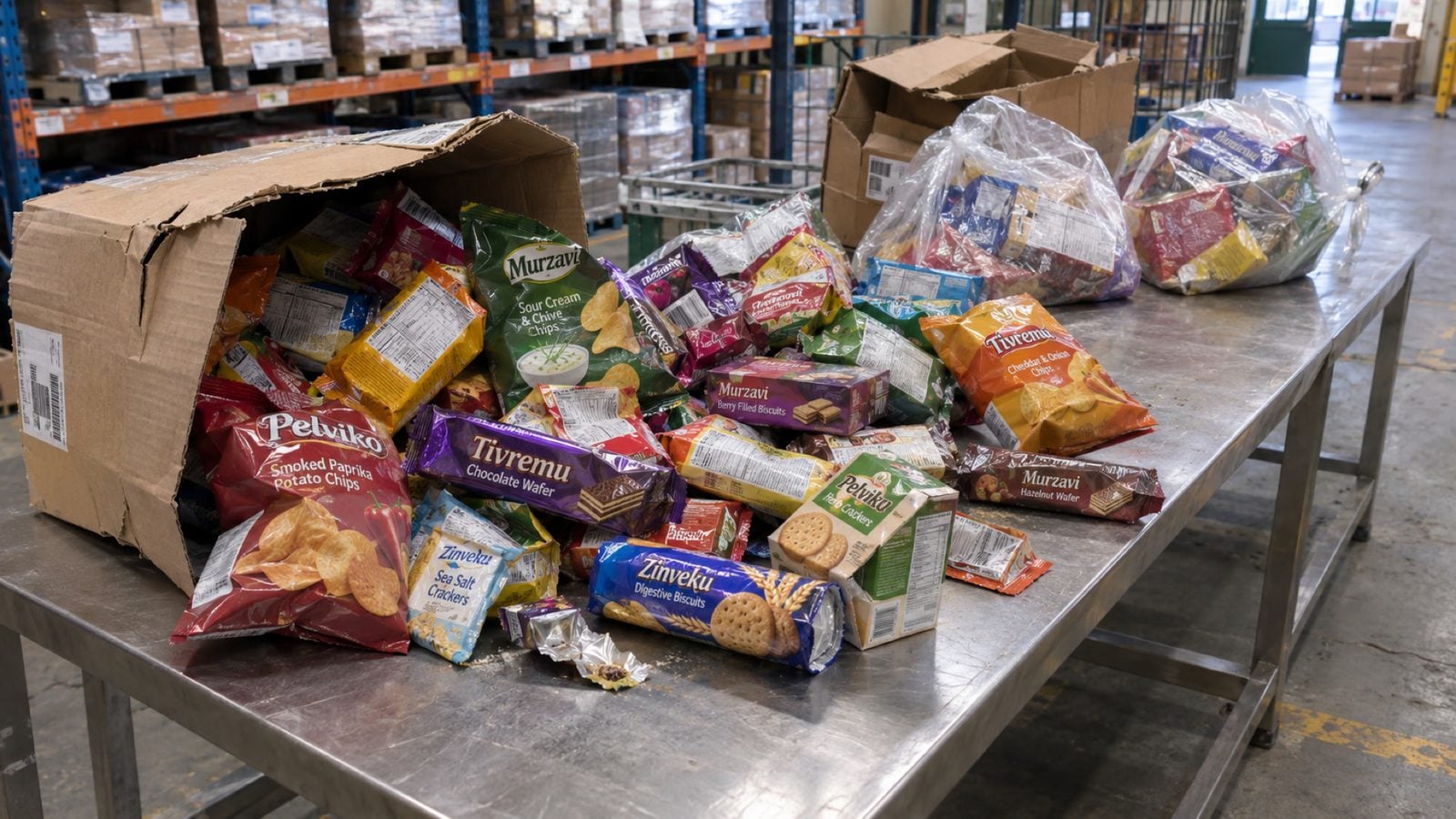
Identify products returned from stores with AXION, and check packaging damage and the best-before date from the image. Record the outcome under the rule you define and send it to SAP.
Trusted by the world’s leading companies.


Results from a deployment in the FMCG sector
Results relate to this deployment and are based on the Thread In Motion project report.
THE NEED ON THE FLOOR
Don’t just count returns. Know their condition.
Store returns arrive mixed: different products, single items, packs or cartons; some damaged, some close to their date, some without a barcode. In manual checks the date is read by eye and damage is judged differently from person to person. In this deployment the check runs on the AXION worn by the worker who is already handling the product.
- 01
Identify products without a barcode
A visible barcode is read; without one, the product is recognised from the look of its packaging. When the system is not sure, it does not guess. It asks to see the product again.
- 02
Check damage and date in one motion
The worker turns the product to show the right face. AXION reads the date, calculates the days left and looks for the damage types you define: burst packs, deformation, scratches.
- 03
Tie the decision to your own rule
You decide which damage counts as a return reason and what happens as a date approaches. The rule is applied the same way to every product.
EXPLORE THE SITUATION
What happens when a returned product has an issue?
Choose a situation to see what AXION looks at, what it tells the worker and how the return record closes.

Packaging check
- ProductCrackers 40 g
- PackagingDamaged
The returned pack is crumpled and torn at one corner, and product is spilling out.
AXION vibrates and shows the damage on its screen. The worker reviews the evidence photo, confirms the outcome and sets the product aside as the rule requires.
The damage is flagged and the outcome follows the rule you defined. The line does not close without confirmation.
Potato chips 150 gCheckedChocolate wafer 36 gCheckedCrackers 40 gDamagedBiscuits 125 gPending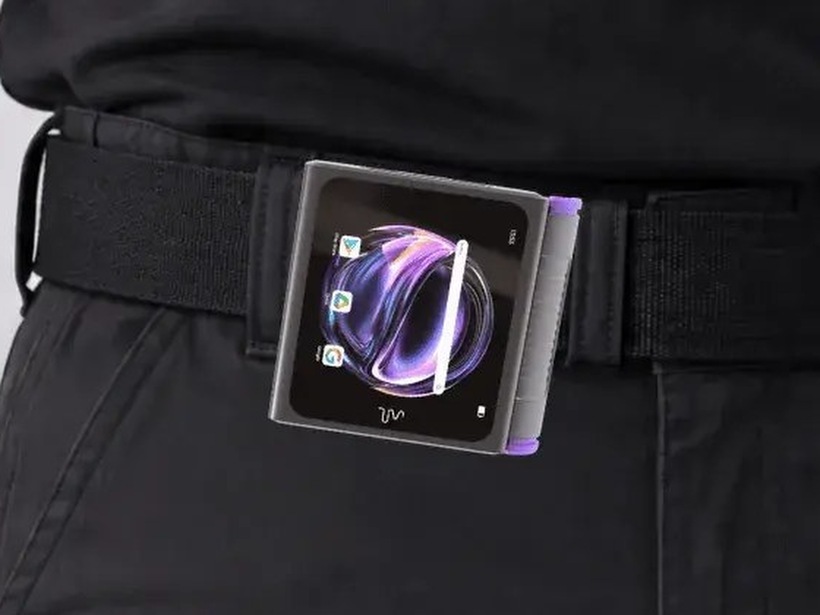
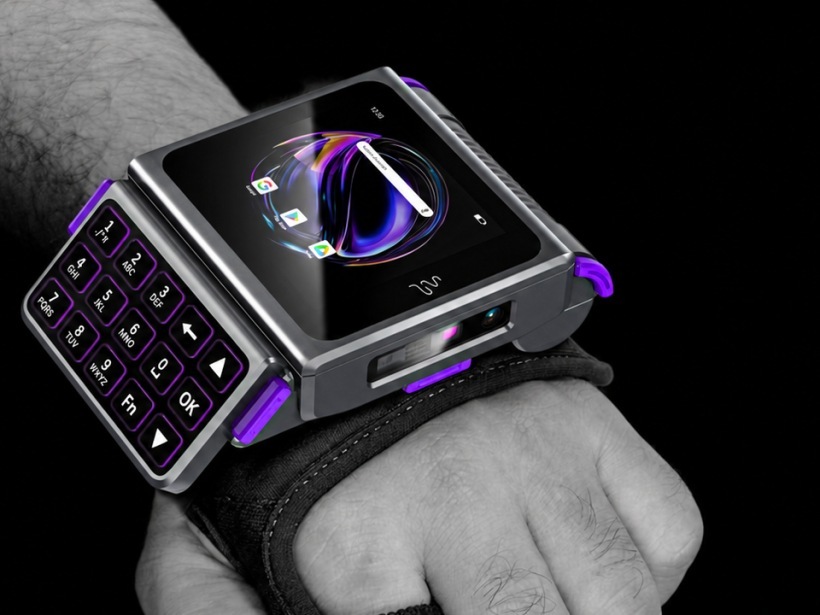
Screen and voice: “Packaging damaged. Review the evidence.”
HOW IT WORKS
Scan. Identify. Inspect and record.

SAP · Return IAD20418
- Lines4
- Target qty12
- Scanned0
- Remaining12

Identification
- BarcodeNone
- ProductCrackers 40 g
- PhotoOn record
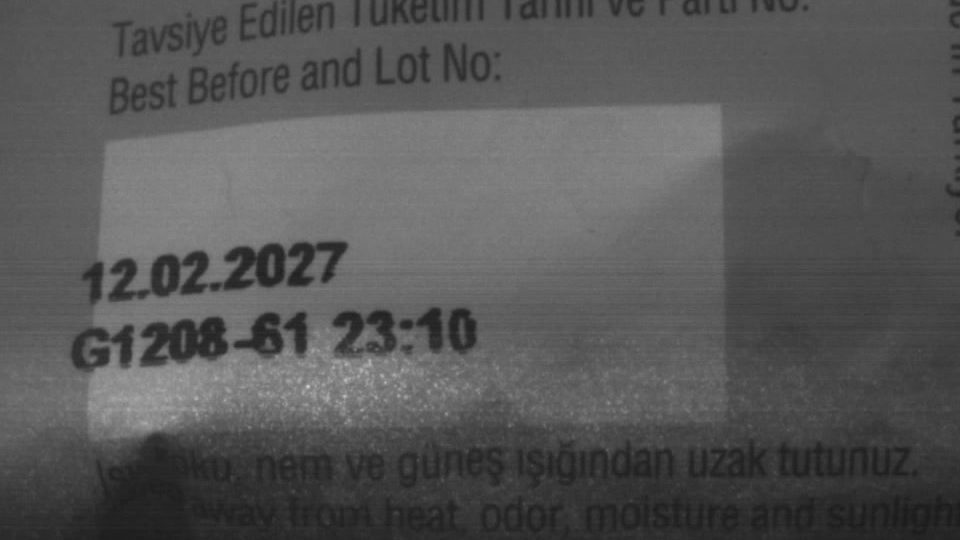
Check
- Date12.02.2027
- Lot noG1208-61
- Days leftCalculated
- PackagingNo damage
Return record · IAD20418
- Scanned / target11 / 12
- Open lines1
- SAP transferWaiting
Scan the return receipt
AXION reads the number on the receipt; the return record opens in SAP and the product list appears on screen: target, scanned, remaining. The process can also start without a receipt.
SYSTEM, RECORD AND INTEGRATION
From receipt to SAP record, one return number.
One return number links the receipt, the product images, the corrections and the confirmation. The worker completes the return in a single flow while the SAP record runs in the background. A fixed camera covers points that only need identification and counting; AXION covers condition checks. The two can work together.
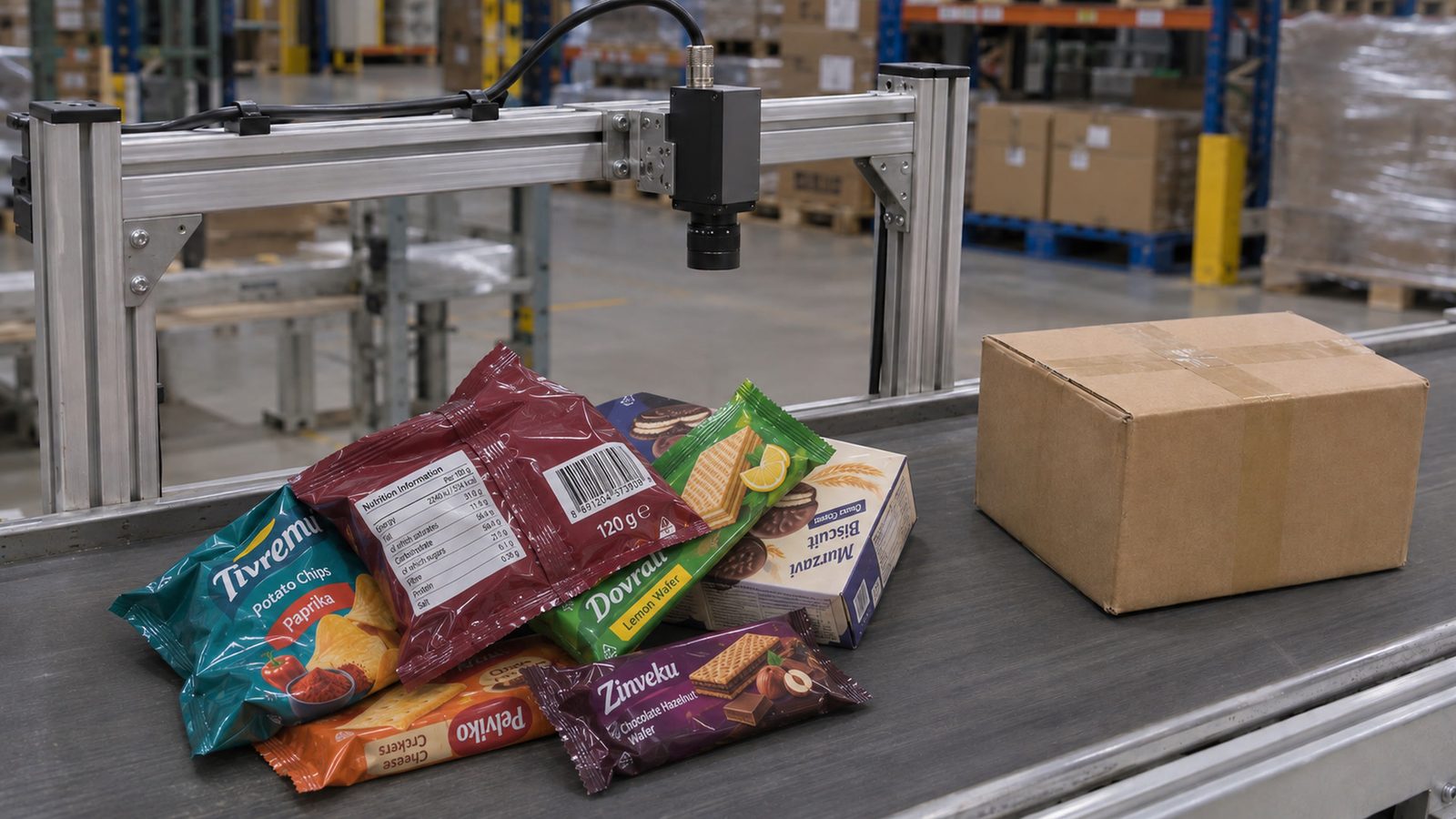
Product image
The worker turns the product to show the face that matters; where identification and counting are enough, a fixed camera is used.
- Condition checksAXION, in the worker’s hand
- ID and countingA fixed camera is enough
- Components
- AXION
- TIM INSPECT software
- SAP integration
- Fixed camera (where needed)
The face a camera cannot see
The product is turned by hand for a barcode underneath or a date inside a fold.
Your rule decides
Damage definitions and the decision logic follow your business rules.
Every check on record
The product photo, the date read and the outcome stay in the return record.
Review in one record which product arrived, which date was read, which damage was flagged and how it was confirmed. Missing, extra or wrong products become visible while the return is being received, and SAP reconciliation runs on a single return number.
APPLICATION FILM
AXION identifies the product. It checks damage and date in the same flow.
TIM INSPECT · EXPLORE SOLUTIONS
One platform. 35 applications.
Discover the next opportunity on your floor. Choose a solution area or industry and explore each application visually.
 Verification & quality
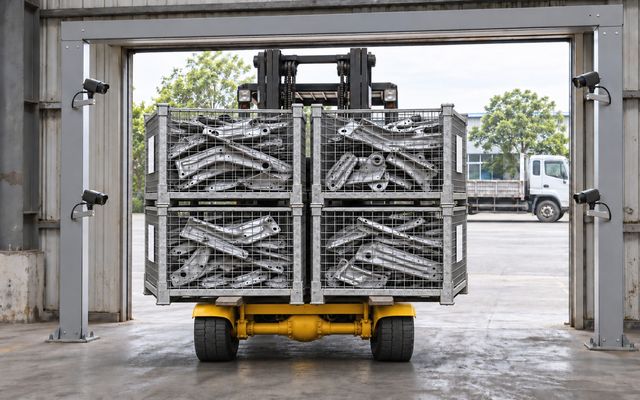
Shipment & Crate Verification
Count passing crates, read their labels and match the load against the shipment list.
Automotive · Logistics & warehousing Verification & quality
Voice-Guided Final Inspection
Complete hands-free inspection steps and document findings with voice and photographs.
Automotive · Manufacturing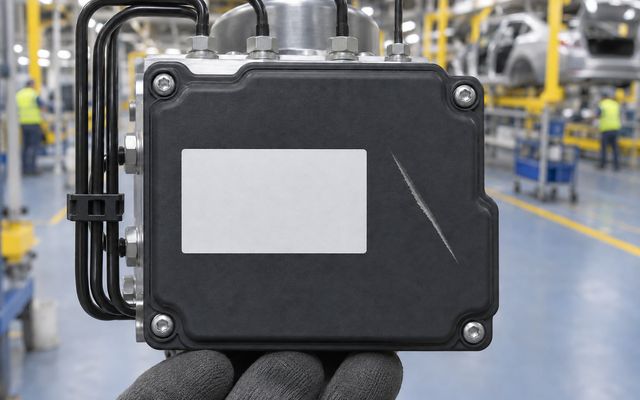 Verification & quality
Assembly Part Verification
Check parts, labels and surfaces during assembly and send the result to production systems.
Automotive · Manufacturing Verification & quality
Cargo Sortation & Pallet Verification
Verify outgoing cargo by checking shipping labels and pallet contents together.
Logistics & warehousing · Aviation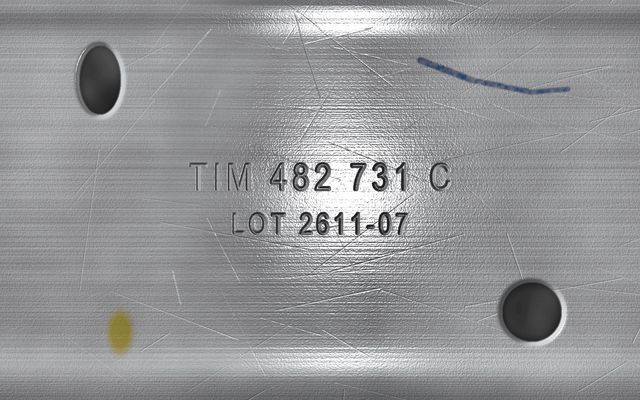 Verification & quality
Metal Part & Label Verification
Match stamped metal-part numbers with crate labels to verify product identity.
Automotive · Manufacturing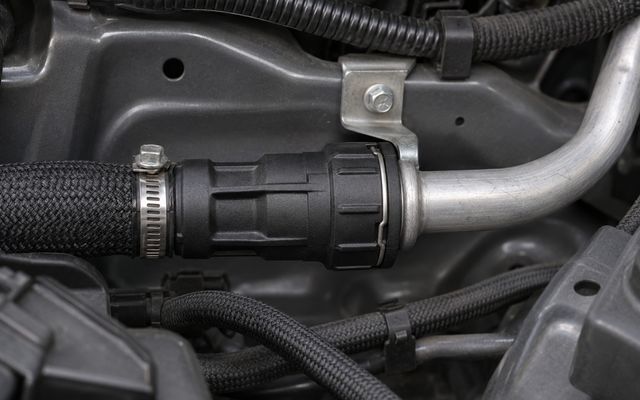 Verification & quality
Quick-Connect Verification
Visually check that assembly quick-connects are fully seated and record the result.
Automotive · Manufacturing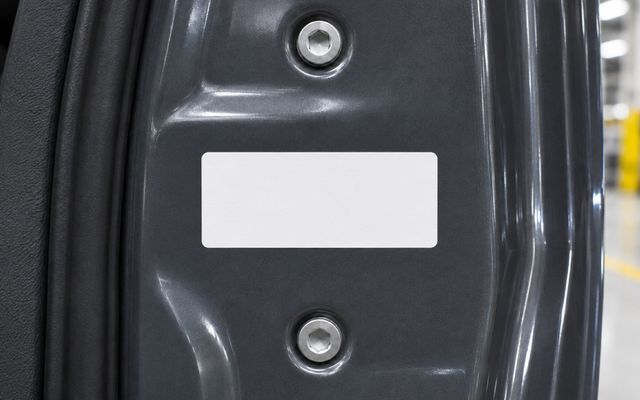 Verification & quality
Vehicle Label Verification
Read vehicle-specific labels with OCR and compare them with expected production data.
Automotive · Manufacturing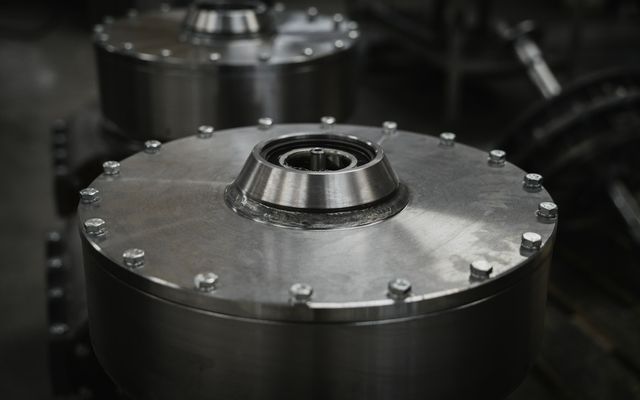 Verification & quality
Component Assembly Inspection
Visually verify the assembly of components such as retaining rings, washers and plugs.
Automotive · Manufacturing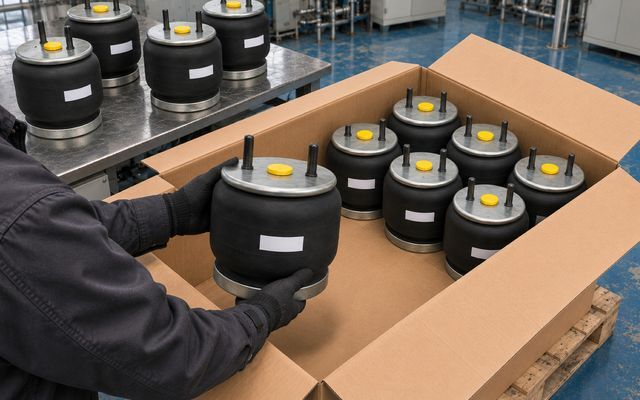 Verification & quality
Product & Carton Verification
Combine product, plug, label and carton-content checks before shipment.
Automotive · Manufacturing · Logistics & warehousing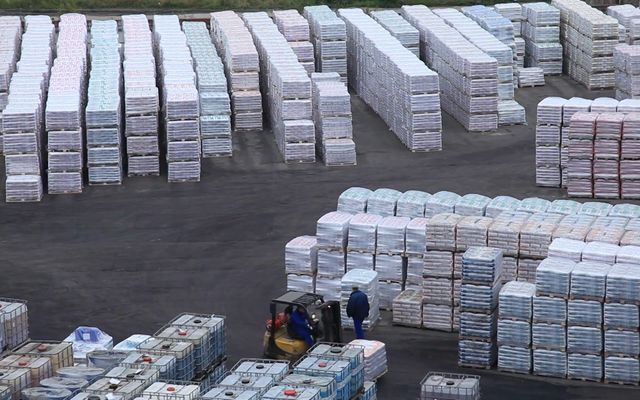 Workplace safety
Forklift–Pedestrian Safety
Analyze risky encounters from camera feeds and alert the people involved through AXION.
Manufacturing · Logistics & warehousing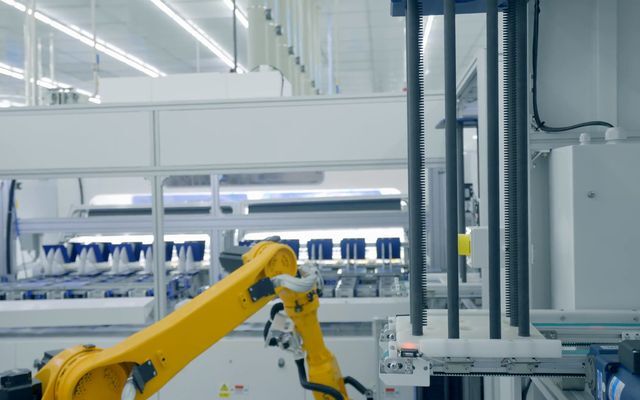 Workplace safety
Restricted-Zone Detection
Detect entry into hazardous areas and alert the worker and responsible team.
Manufacturing · Construction Workplace safety
PPE Detection
Check the use of helmets, vests and other protective equipment in working areas.
Manufacturing · Construction · Logistics & warehousing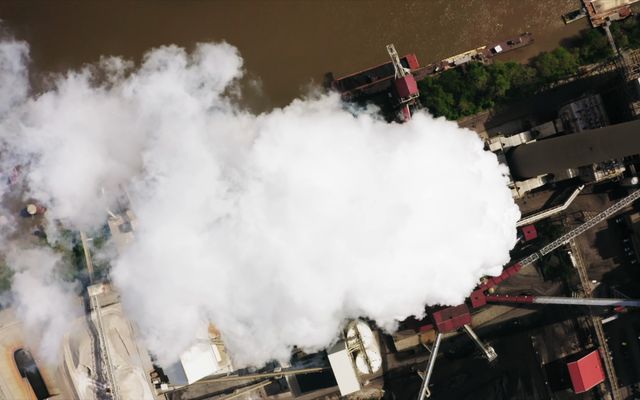 Workplace safety
Fire & Smoke Early Warning
Evaluate visible flame and smoke signs in camera feeds and notify the relevant team.
Manufacturing · Logistics & warehousing · Energy & facilities Workplace safety
Spill & Leak Detection
Detect unexpected liquid accumulation and leaks, and notify teams with location information.
Manufacturing · Food & beverage · Energy & facilities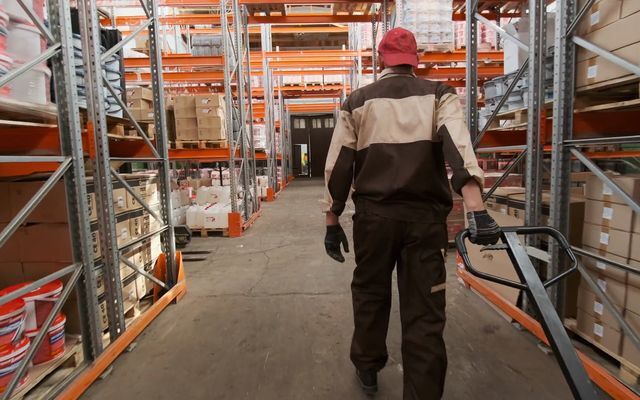 Workplace safety
Fallen or Motionless Person Detection
Detect falls or prolonged inactivity to support the assistance workflow.
Manufacturing · Logistics & warehousing · Energy & facilities Workplace safety
Ergonomics & Posture Analysis
Analyze lifting, bending and reaching movements to make risky postures visible.
Manufacturing · Logistics & warehousing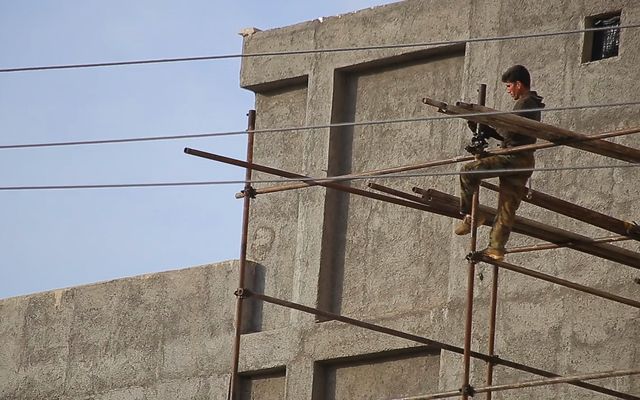 Workplace safety
Working-at-Height Safety
Use visual checks to assess harness attachment, scaffolding and ladder use.
Construction · Energy & facilities · Manufacturing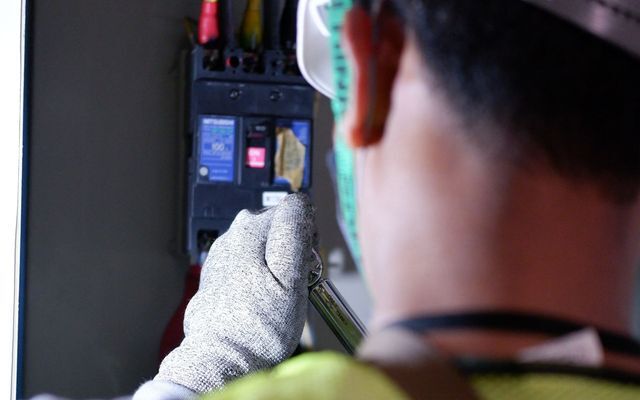 Workplace safety
Lockout/Tagout Verification
Verify isolation steps with photographs to manage checks before maintenance.
Manufacturing · Energy & facilities Workplace safety
Emergency Exit & Route Monitoring
Detect obstructions blocking emergency exits and access routes through camera feeds.
Manufacturing · Logistics & warehousing · Retail & e-commerce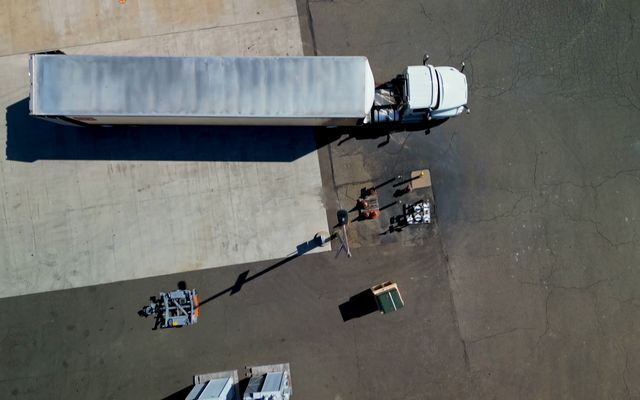 Workplace safety
Loading Dock Safety
Check truck position, wheel chocks and dock conditions to flag risky loading situations.
Logistics & warehousing · Manufacturing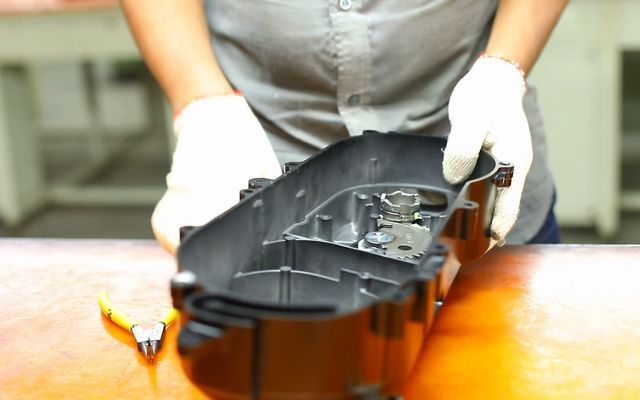 Operational efficiency
Assembly Sequence Verification
Monitor the defined assembly sequence and flag missed or out-of-order steps.
Automotive · Manufacturing Operational efficiency
Cycle Time & Microstops
Measure station cycles and brief stops from video to reveal deviations in workflow.
Automotive · Manufacturing Operational efficiency
Machine Utilization
Assess running and waiting periods visually and notify the relevant team of stops.
Manufacturing · Automotive Operational efficiency
Dock & Door Monitoring
Track vehicle arrivals, door use and loading progress in one workflow.
Logistics & warehousing · Manufacturing Operational efficiency
Four-Side Pallet Scanning
Read labels across pallet faces during a pass and match them against the order list.
Logistics & warehousing · Retail & e-commerce · Food & beverage Operational efficiency
Dimensioning
Check carton and pallet dimensions with vision and laser measurement and create a record.
Logistics & warehousing · Retail & e-commerce Operational efficiency
Damage Detection
Document carton, pallet and container damage with photographs at entry and exit points.
Logistics & warehousing · Retail & e-commerce · Manufacturing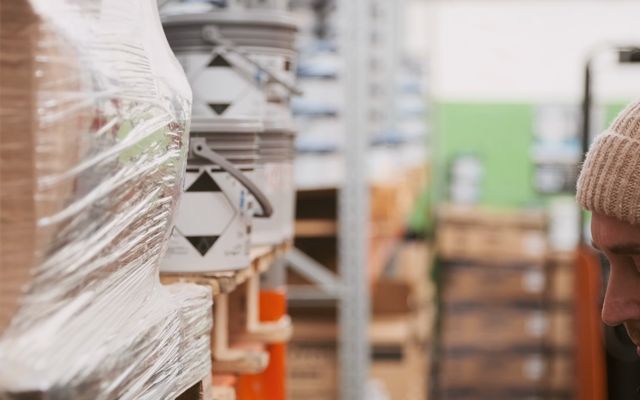 Operational efficiency
Inventory Counting
Read shelf and pallet labels to reveal empty locations and placement mismatches.
Logistics & warehousing · Retail & e-commerce · Manufacturing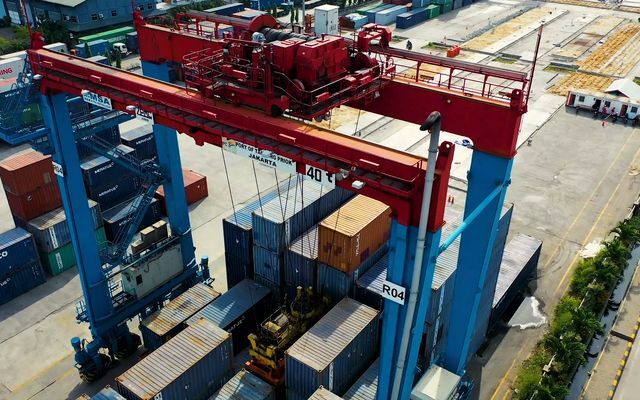 Operational efficiency
License Plate & Container OCR
Read vehicle and container numbers and match them with appointment and shipment records.
Logistics & warehousing · Manufacturing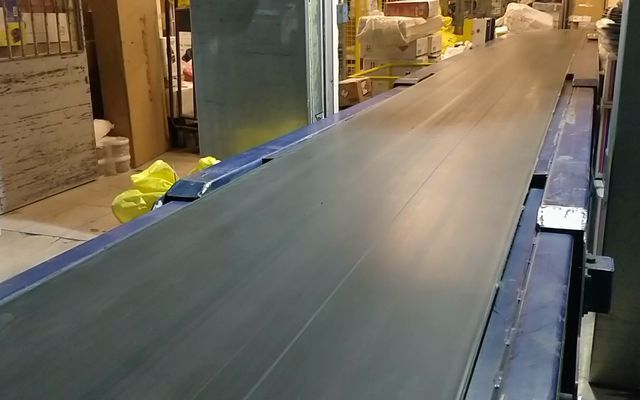 Operational efficiency
Conveyor Jam Detection
Detect conveyor build-ups and jams and notify the person who can respond.
Logistics & warehousing · Manufacturing · Food & beverage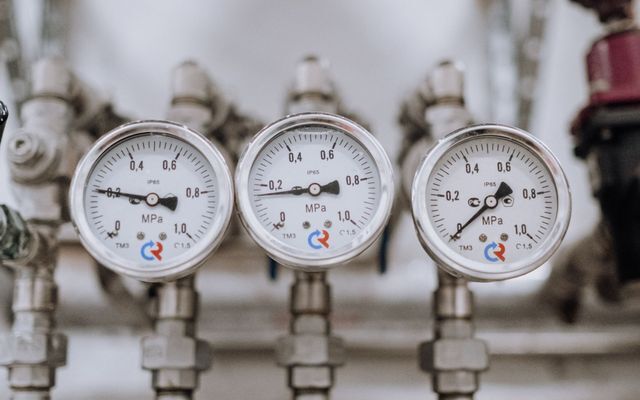 Facility monitoring
Gauge & Meter Reading
Read analog gauges from images, record values and notify teams of threshold exceptions.
Manufacturing · Energy & facilities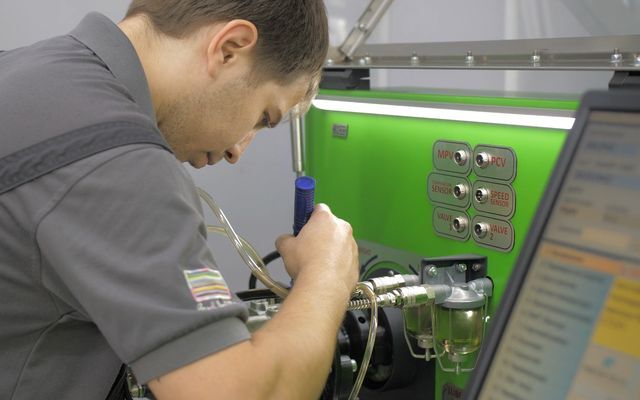 Facility monitoring
Maintenance Rounds
Follow inspection points step by step and document findings with photographs and voice.
Manufacturing · Energy & facilities Facility monitoring
Unauthorized Entry
Monitor designated-area entry and tailgating and notify the security team.
Manufacturing · Logistics & warehousing · Retail & e-commerce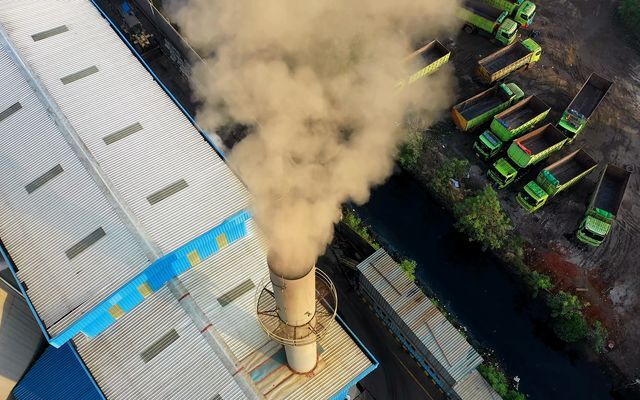 Facility monitoring
Environmental Monitoring
Monitor visible emissions, dust and waste-sorting conditions through camera feeds.
Manufacturing · Energy & facilitiesFAQ
Questions, answered
Returned Product Inspection is an image analysis solution on Thread In Motion’s TIM INSPECT platform that identifies store returns with AXION and checks packaging damage and best-before dates. AXION alerts the worker on screen and by voice, and the confirmed result goes to SAP with the return record.
With TIM INSPECT, Returned Product Inspection works in four steps: 1) Scan the return receipt: AXION reads the number on the receipt; the return record opens in SAP and the product list appears on screen: target, scanned, remaining. The process can also start without a receipt. 2) Identify the product: A barcode is read when there is one; otherwise the product is recognised from its packaging, logo, colour and printed text. Its photo is added to the record as evidence. 3) Check the date and packaging: AXION reads the best-before date on the pack, calculates the days left and looks for the damage types you have defined. 4) Alert and complete the record: If there is damage or a date that is too close, AXION alerts the worker and your rule decides the outcome. When no lines are open, the result goes to SAP.
Components used: AXION, TIM INSPECT software, SAP integration and fixed camera (where needed). One return number links the receipt, the product images, the corrections and the confirmation. The worker completes the return in a single flow while the SAP record runs in the background. A fixed camera covers points that only need identification and counting; AXION covers condition checks. The two can work together.
The product is recognised from the look of its packaging, its logo, colour and printed text. For similar products, the distinguishing detail such as flavour, weight or volume has to be visible. When the system is not sure it does not make up a result; it asks to see the product again.
You do. You define which damage counts as a return reason, how a product is treated as its date approaches and what happens in each case. Burst packs and deformation can be defined for packaged goods, and surface damage such as scratches for other products. TIM INSPECT applies that rule the same way to every product.
A fixed camera is enough when products only need to be identified and counted. But a barcode can end up underneath, a date can sit inside a fold, packs can lie on top of each other and a carton can be closed. Those checks need a hand that turns the product, which is why condition checks run on AXION. The two can also work together.
The return record is opened in SAP, and the products and quantities expected for the receipt come from SAP. Product, quantity, date and damage status go back to SAP together with the confirmed overall result. The worker completes the return in one flow while the record runs in the background.
Product photos used for visual identification can be added by your own trained users. Model updates go live after approval, so you do not depend on us each time a new product is introduced.
YOUR SITE
Let’s define the checks in your returns process.
Let’s review your product groups, damage definitions and date rules together, and decide where AXION and where a fixed camera is needed before setting the pilot scope.