


WORKPLACE SAFETY · RESTRICTED ZONES
Notice entry into a hazardous zone right away.
Draw robot cells, press areas or the space under a suspended load directly on the camera view. When someone steps in, their AXION vibrates and names the zone; if they stay, the shift supervisor is notified.
Trusted by the world’s leading companies.


THE NEED ON THE FLOOR
A floor line cannot warn anyone; AXION can.
On many sites, hazardous areas are separated only by floor markings and signs. Some are not even fixed: the space under a suspended load moves with the load. And a breach that nobody sees is never recorded. TIM INSPECT detects people entering a defined zone from the camera feed.
- 01
Draw the zone on the camera view
Define hazardous areas by drawing them on the camera image. Zones that shift with crane and load movement are tracked as well.
- 02
Alert the person on their own device
The AXION of the worker who enters vibrates and announces which zone they are in. The alert closes when they step out.
- 03
Record each breach with video
Every breach is saved with a short clip. Statistics by zone show where additional measures are needed.
EXPLORE THE SITUATION
What happens when someone steps in?
Pick one of three situations to see which zone is monitored, who receives the alert and how the breach record closes.
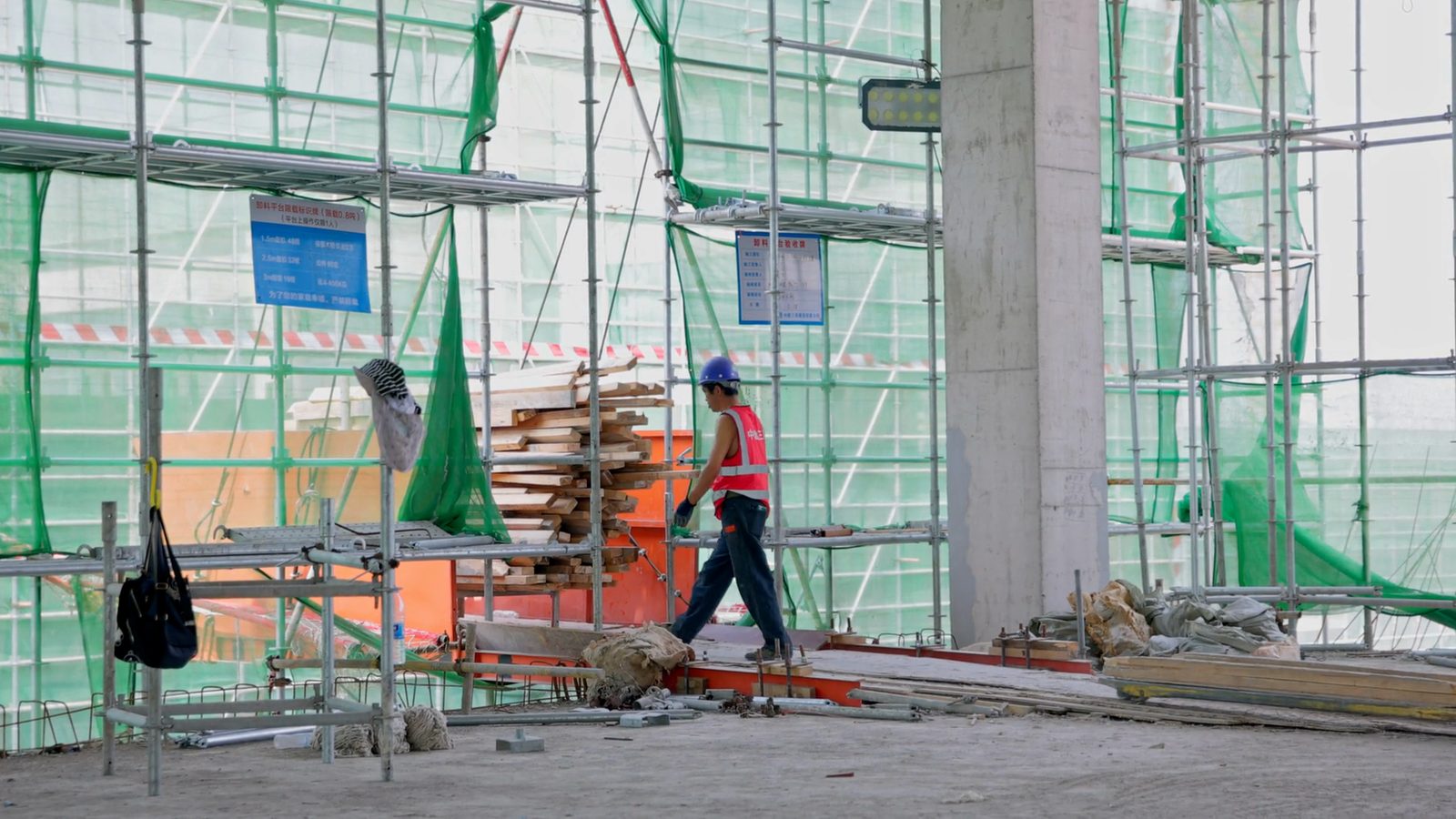
Zone B-2 · Scaffolding
- RuleNo entry
- People in zone1
- AlertSent to worker
A worker steps into the no-entry zone under the scaffolding. The area is separated only by barrier tape.
The worker’s AXION vibrates and announces which zone they have entered. The worker gets the message and steps out.
The breach is detected and a record is opened. The alert stays open until the person leaves the zone.
B-1 · Robot cellClearB-2 · Under scaffoldingPerson insideB-3 · Under suspended loadClearB-4 · Press areaMonitoring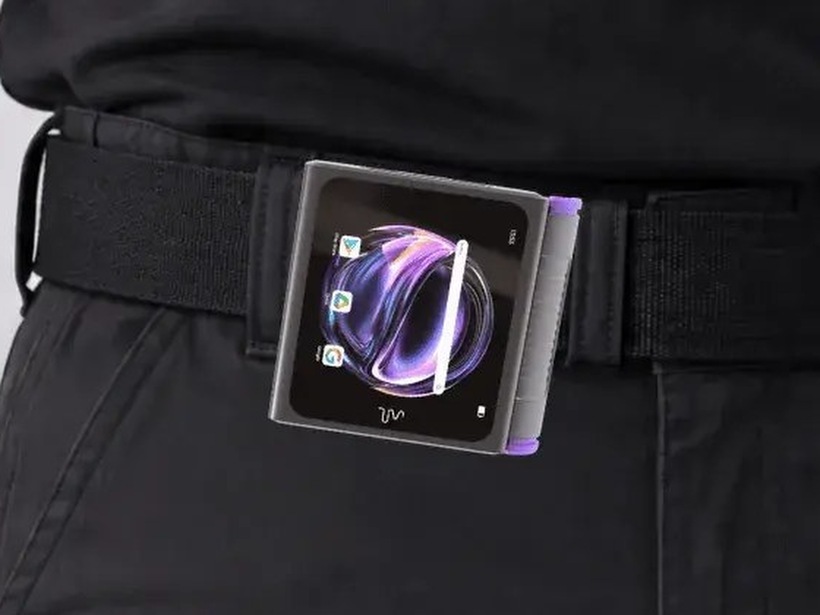
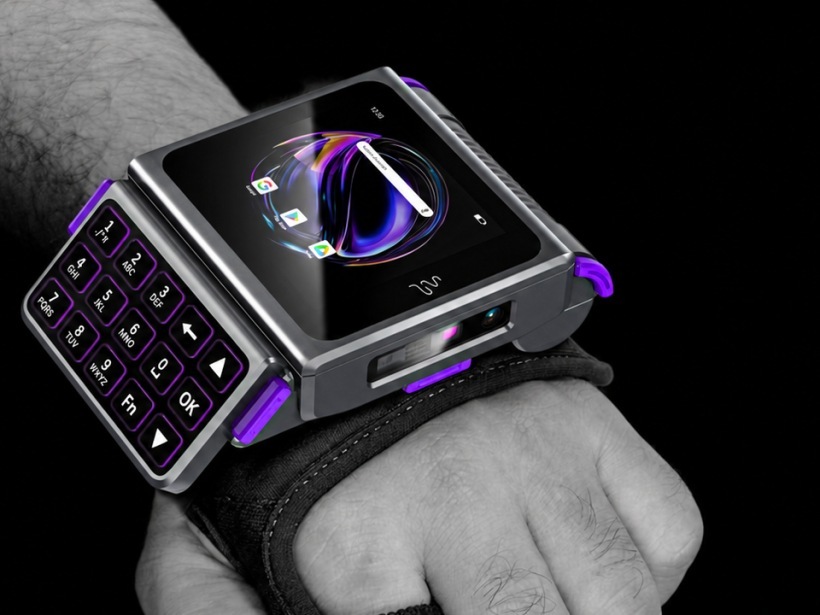
Voice alert: “You have entered the scaffolding zone. Please leave the zone.”
HOW IT WORKS
Draw. Detect. Alert on entry.
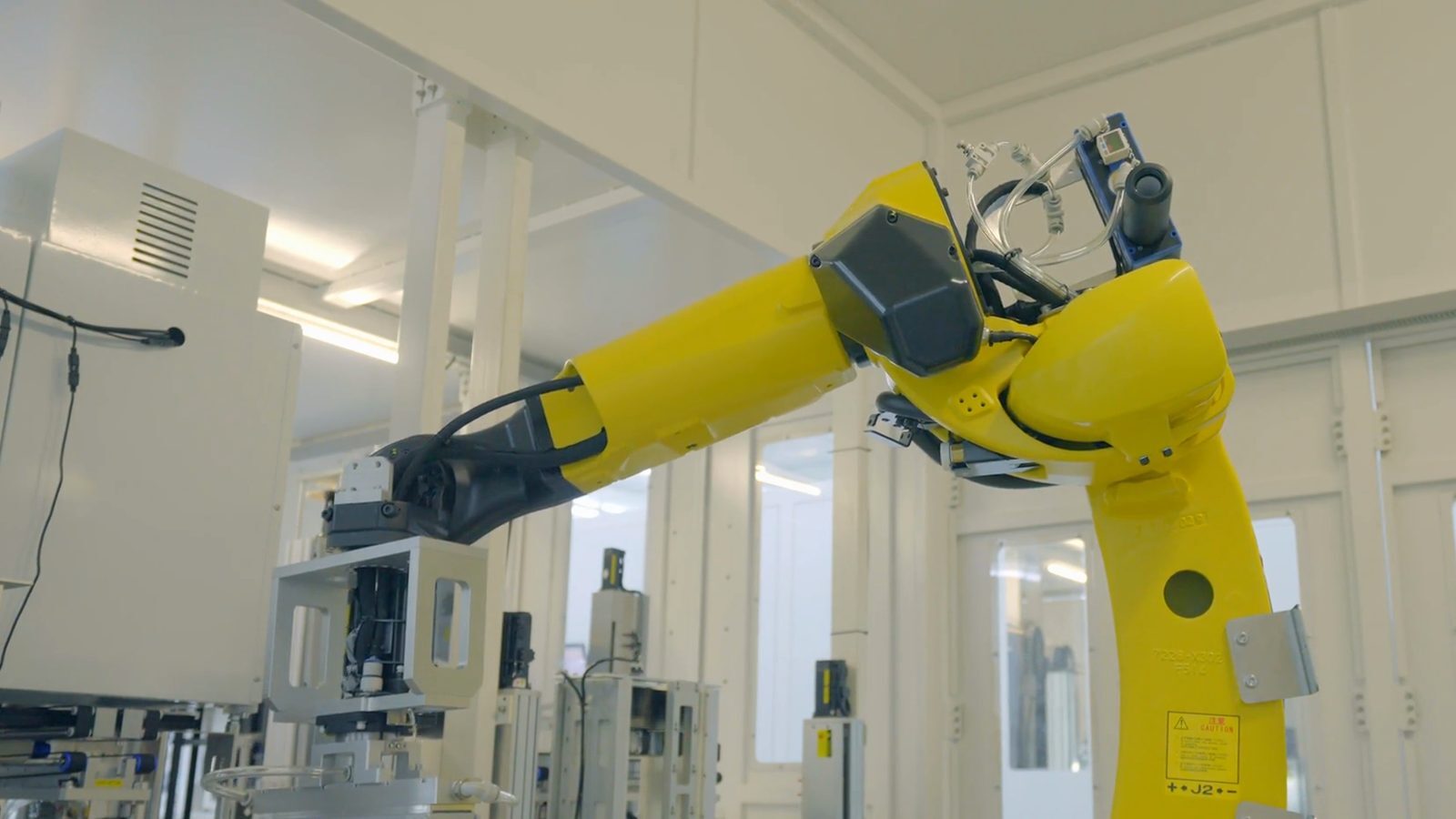
Zone definition
- ZoneB-1 · Robot cell
- RuleNo entry
- Permitted entryMaintenance team
Detected
- ZoneB-2
- Time00:04
Breach record
- ZoneB-2 · Scaffolding
- Duration00:14
- Short clipStored
Define the zone by drawing it
Hazardous zones are drawn on the camera image. Permitted entry for authorised maintenance staff is defined separately.
SYSTEM, RECORD AND INTEGRATION
From breach to zone statistics, one record.
The zone definition, the camera’s detection and the alert to the worker come together in one workflow. Where required, a signal to the PLC can slow or stop the machine; this link is planned together with the plant’s safety circuit.
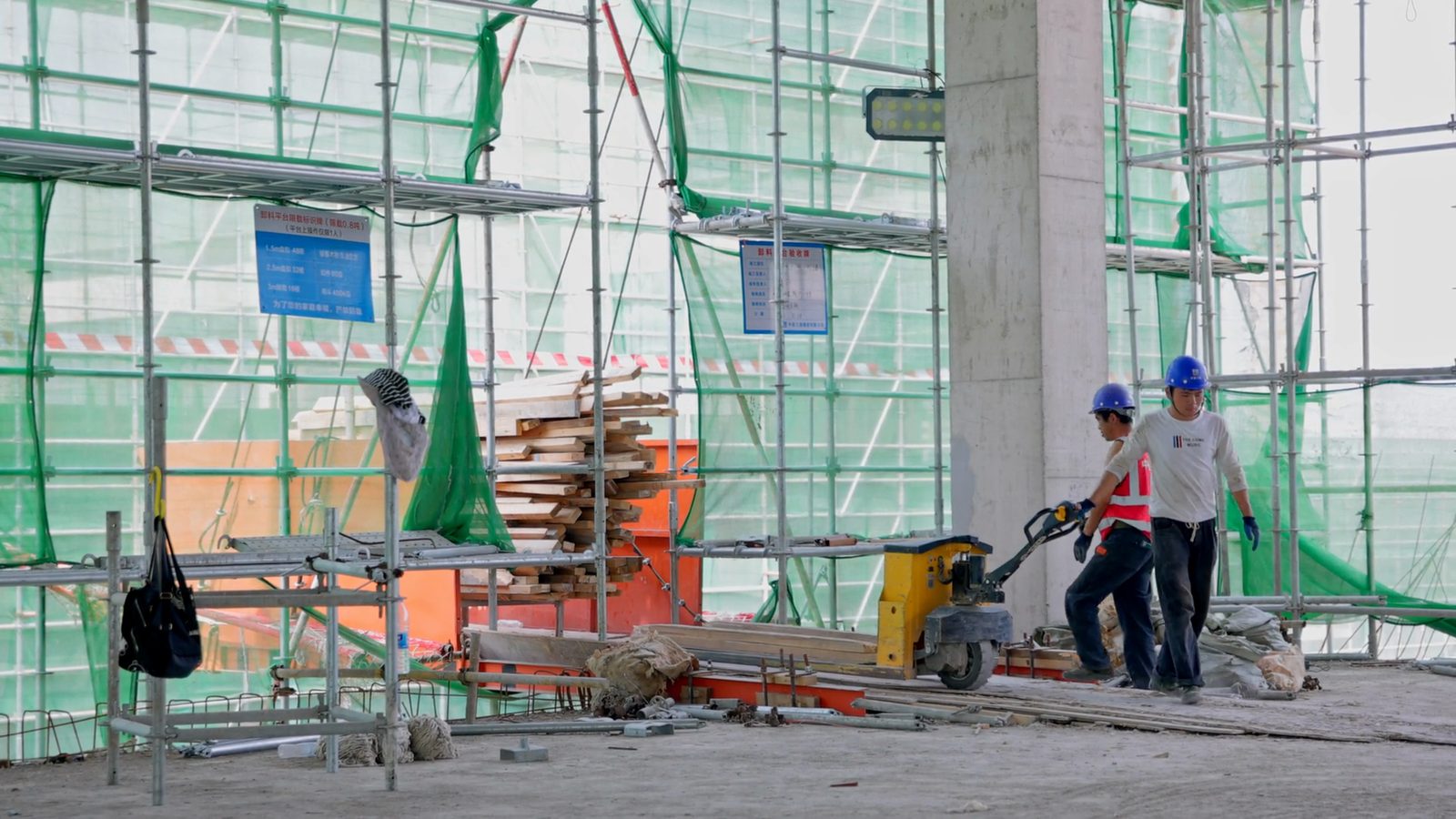
Zone view
Fixed cameras continuously watch the defined zones and their surroundings.
- SourceFixed cameras
- ZoneFixed or following a load
- Components
- Fixed cameras
- TIM INSPECT software
- AXION
- PLC connection (optional)
Zones on the camera view
Define the hazardous area by drawing it on the camera image.
Zones that move with the load
Keep watching the space under a suspended load as it moves.
Zones are monitored, not identity
Images are filtered; only the event moment is stored.
Review in one record which zone a breach happened in, when it started, how long it lasted and who was alerted. Use statistics by zone to base decisions on barriers, markings and layout on concrete records.
SOLUTION FILM
Cameras watch the zone. AXION alerts whoever steps in.
TIM INSPECT · EXPLORE SOLUTIONS
One platform. 35 applications.
Discover the next opportunity on your floor. Choose a solution area or industry and explore each application visually.
 Workplace safety
Forklift–Pedestrian Safety
Analyze risky encounters from camera feeds and alert the people involved through AXION.
Manufacturing · Logistics & warehousing Workplace safety
PPE Detection
Check the use of helmets, vests and other protective equipment in working areas.
Manufacturing · Construction · Logistics & warehousing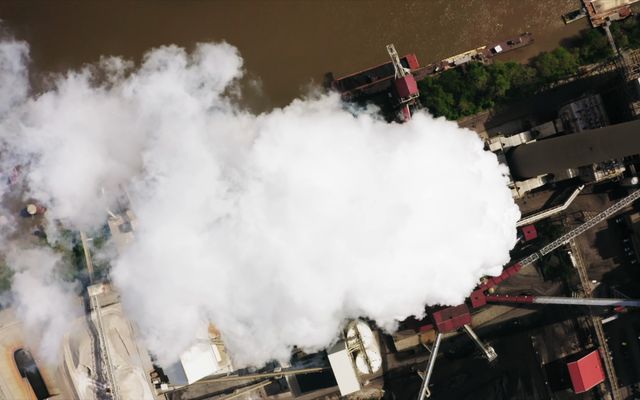 Workplace safety
Fire & Smoke Early Warning
Evaluate visible flame and smoke signs in camera feeds and notify the relevant team.
Manufacturing · Logistics & warehousing · Energy & facilities Workplace safety
Spill & Leak Detection
Detect unexpected liquid accumulation and leaks, and notify teams with location information.
Manufacturing · Food & beverage · Energy & facilities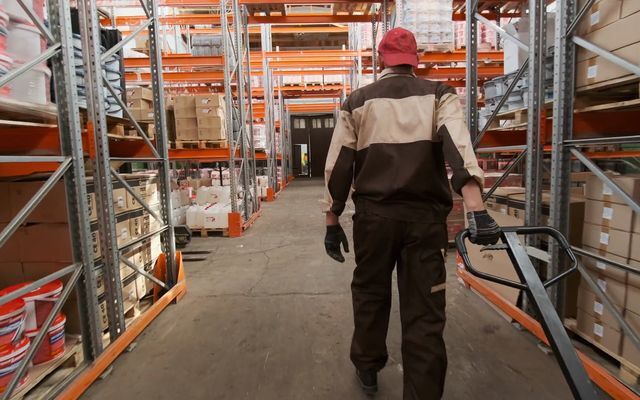 Workplace safety
Fallen or Motionless Person Detection
Detect falls or prolonged inactivity to support the assistance workflow.
Manufacturing · Logistics & warehousing · Energy & facilities Workplace safety
Ergonomics & Posture Analysis
Analyze lifting, bending and reaching movements to make risky postures visible.
Manufacturing · Logistics & warehousing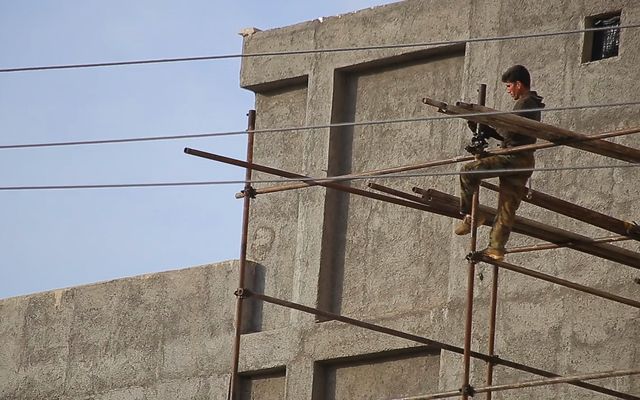 Workplace safety
Working-at-Height Safety
Use visual checks to assess harness attachment, scaffolding and ladder use.
Construction · Energy & facilities · Manufacturing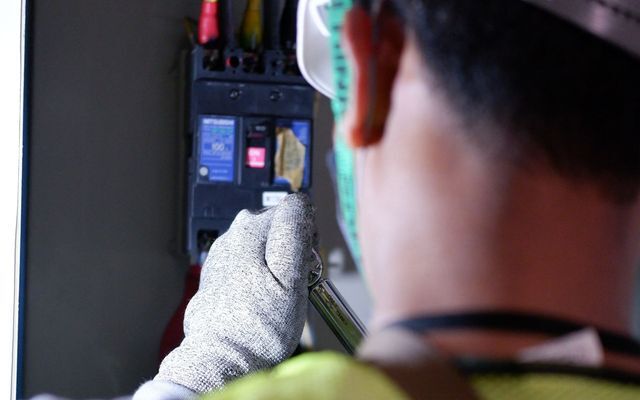 Workplace safety
Lockout/Tagout Verification
Verify isolation steps with photographs to manage checks before maintenance.
Manufacturing · Energy & facilities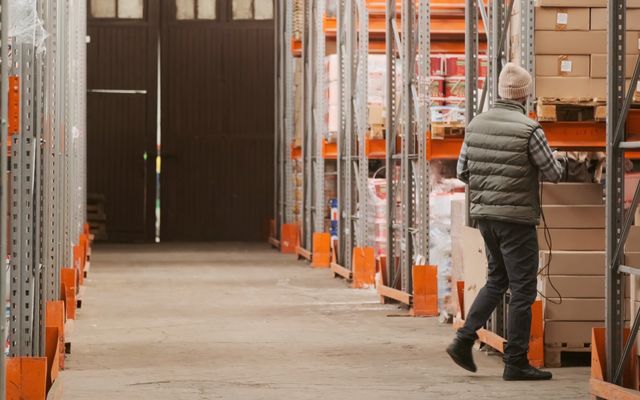 Workplace safety
Emergency Exit & Route Monitoring
Detect obstructions blocking emergency exits and access routes through camera feeds.
Manufacturing · Logistics & warehousing · Retail & e-commerce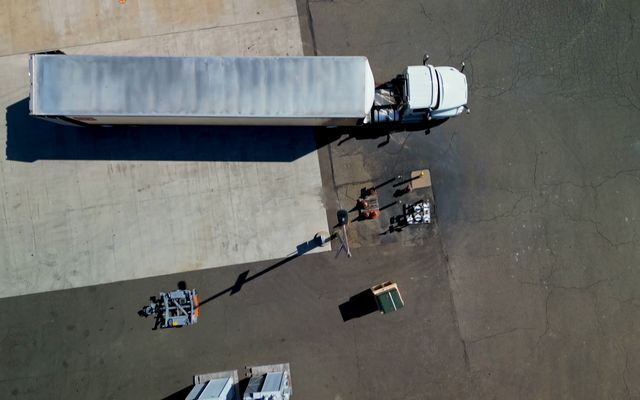 Workplace safety
Loading Dock Safety
Check truck position, wheel chocks and dock conditions to flag risky loading situations.
Logistics & warehousing · Manufacturing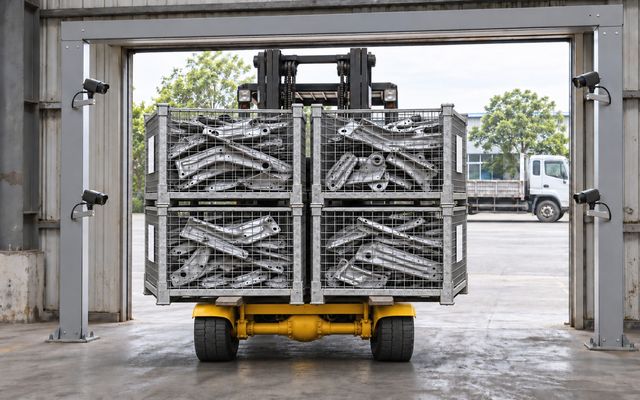 Verification & quality
Shipment & Crate Verification
Count passing crates, read their labels and match the load against the shipment list.
Automotive · Logistics & warehousing Verification & quality
Returned Product Inspection
Identify returned products and record visual checks of damage, dates and product information.
Food & beverage · Retail & e-commerce · Logistics & warehousing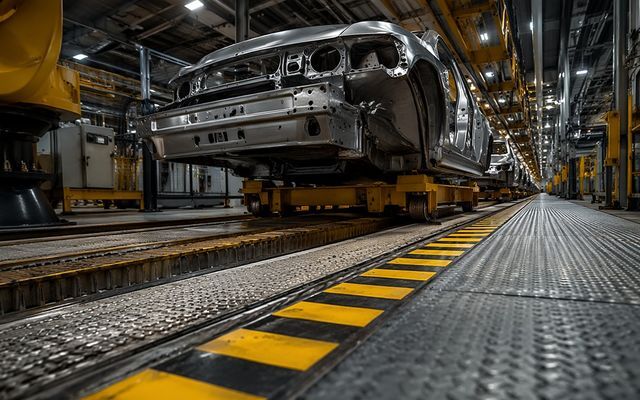 Verification & quality
Voice-Guided Final Inspection
Complete hands-free inspection steps and document findings with voice and photographs.
Automotive · Manufacturing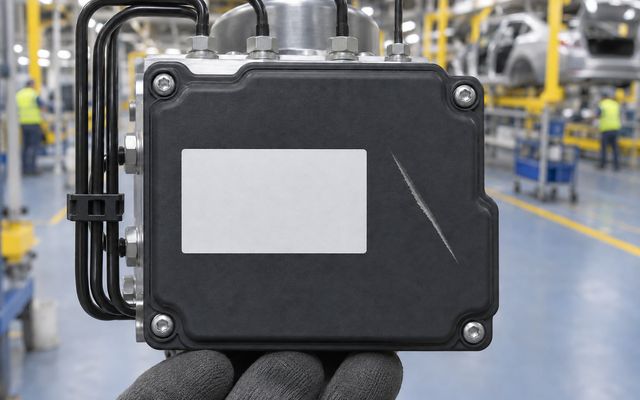 Verification & quality
Assembly Part Verification
Check parts, labels and surfaces during assembly and send the result to production systems.
Automotive · Manufacturing Verification & quality
Cargo Sortation & Pallet Verification
Verify outgoing cargo by checking shipping labels and pallet contents together.
Logistics & warehousing · Aviation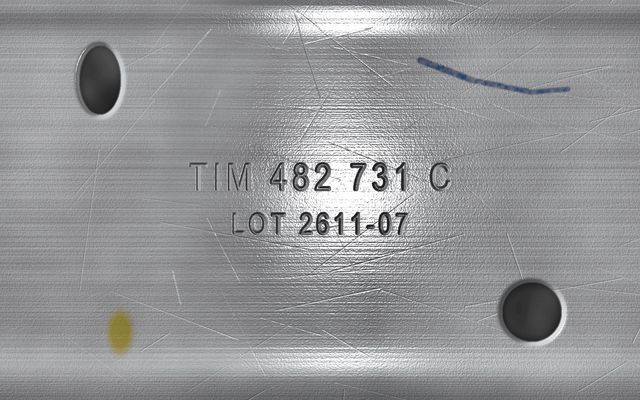 Verification & quality
Metal Part & Label Verification
Match stamped metal-part numbers with crate labels to verify product identity.
Automotive · Manufacturing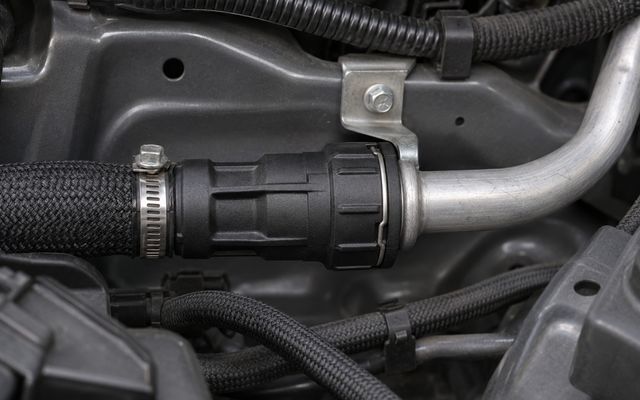 Verification & quality
Quick-Connect Verification
Visually check that assembly quick-connects are fully seated and record the result.
Automotive · Manufacturing Verification & quality
Vehicle Label Verification
Read vehicle-specific labels with OCR and compare them with expected production data.
Automotive · Manufacturing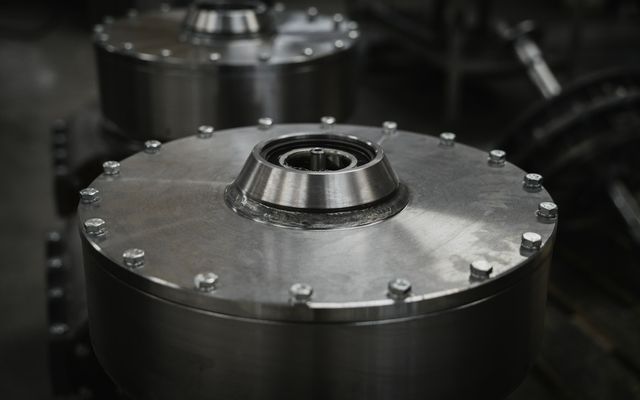 Verification & quality
Component Assembly Inspection
Visually verify the assembly of components such as retaining rings, washers and plugs.
Automotive · Manufacturing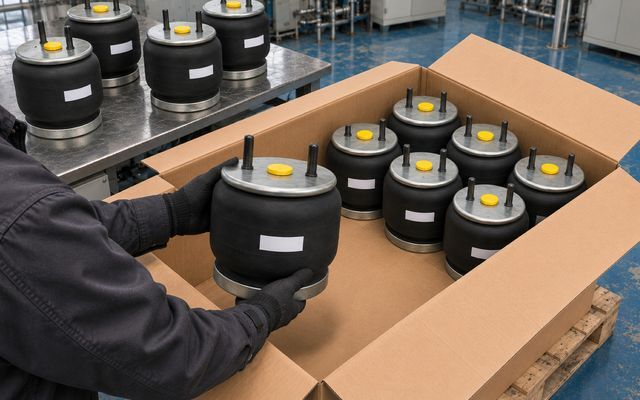 Verification & quality
Product & Carton Verification
Combine product, plug, label and carton-content checks before shipment.
Automotive · Manufacturing · Logistics & warehousing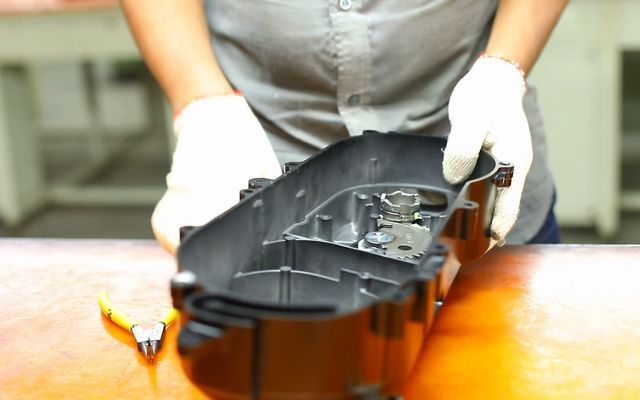 Operational efficiency
Assembly Sequence Verification
Monitor the defined assembly sequence and flag missed or out-of-order steps.
Automotive · Manufacturing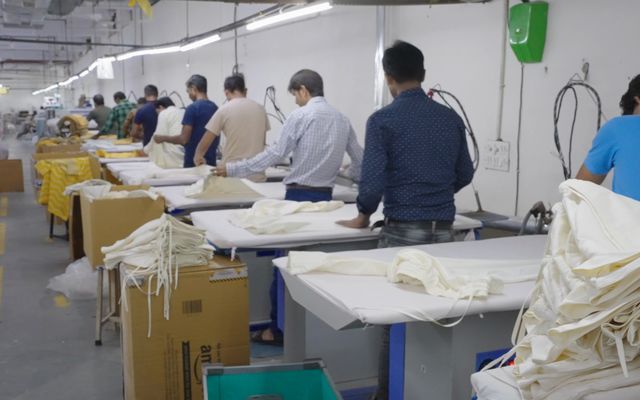 Operational efficiency
Cycle Time & Microstops
Measure station cycles and brief stops from video to reveal deviations in workflow.
Automotive · Manufacturing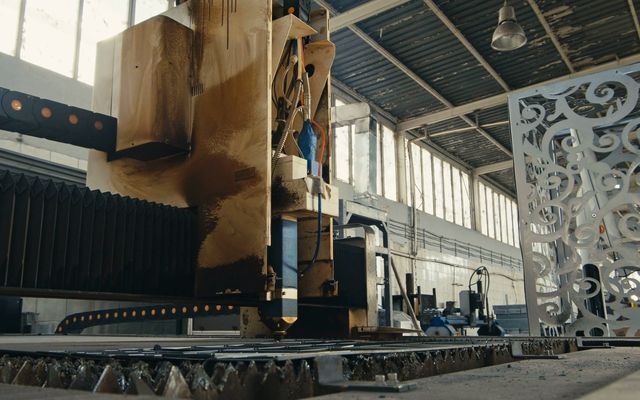 Operational efficiency
Machine Utilization
Assess running and waiting periods visually and notify the relevant team of stops.
Manufacturing · Automotive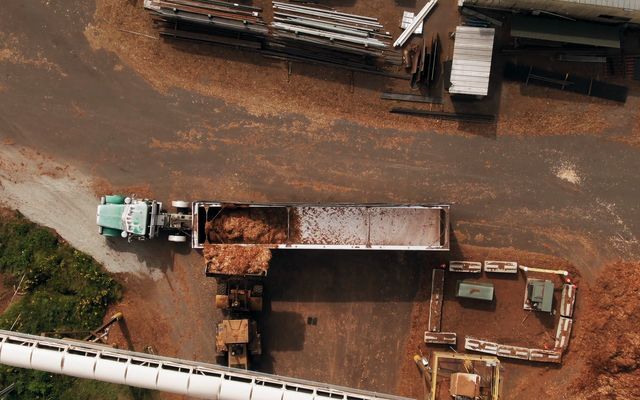 Operational efficiency
Dock & Door Monitoring
Track vehicle arrivals, door use and loading progress in one workflow.
Logistics & warehousing · Manufacturing Operational efficiency
Four-Side Pallet Scanning
Read labels across pallet faces during a pass and match them against the order list.
Logistics & warehousing · Retail & e-commerce · Food & beverage Operational efficiency
Dimensioning
Check carton and pallet dimensions with vision and laser measurement and create a record.
Logistics & warehousing · Retail & e-commerce Operational efficiency
Damage Detection
Document carton, pallet and container damage with photographs at entry and exit points.
Logistics & warehousing · Retail & e-commerce · Manufacturing Operational efficiency
Inventory Counting
Read shelf and pallet labels to reveal empty locations and placement mismatches.
Logistics & warehousing · Retail & e-commerce · Manufacturing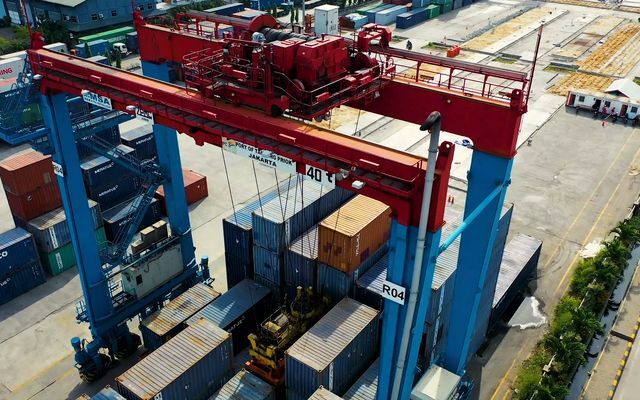 Operational efficiency
License Plate & Container OCR
Read vehicle and container numbers and match them with appointment and shipment records.
Logistics & warehousing · Manufacturing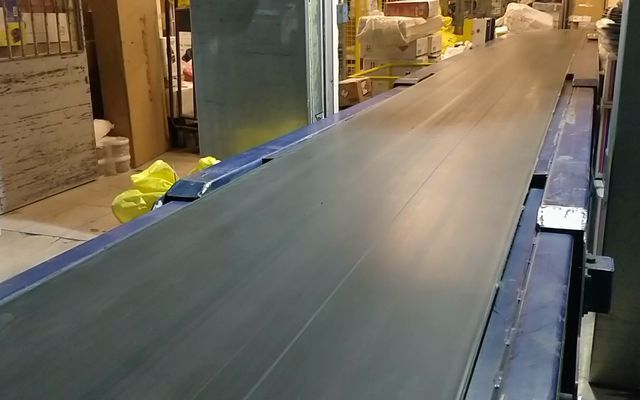 Operational efficiency
Conveyor Jam Detection
Detect conveyor build-ups and jams and notify the person who can respond.
Logistics & warehousing · Manufacturing · Food & beverage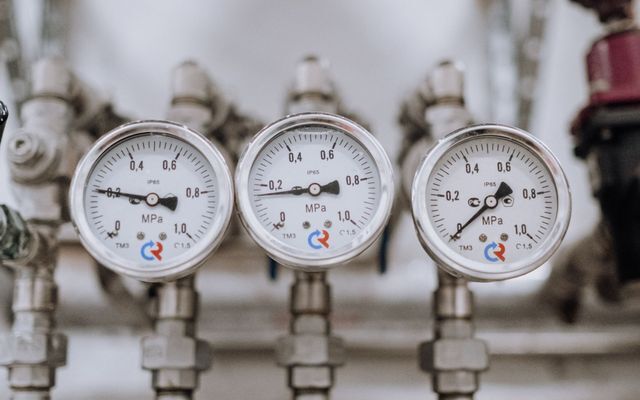 Facility monitoring
Gauge & Meter Reading
Read analog gauges from images, record values and notify teams of threshold exceptions.
Manufacturing · Energy & facilities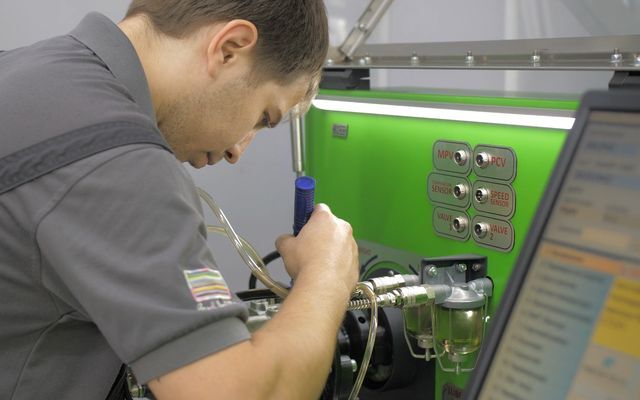 Facility monitoring
Maintenance Rounds
Follow inspection points step by step and document findings with photographs and voice.
Manufacturing · Energy & facilities Facility monitoring
Unauthorized Entry
Monitor designated-area entry and tailgating and notify the security team.
Manufacturing · Logistics & warehousing · Retail & e-commerce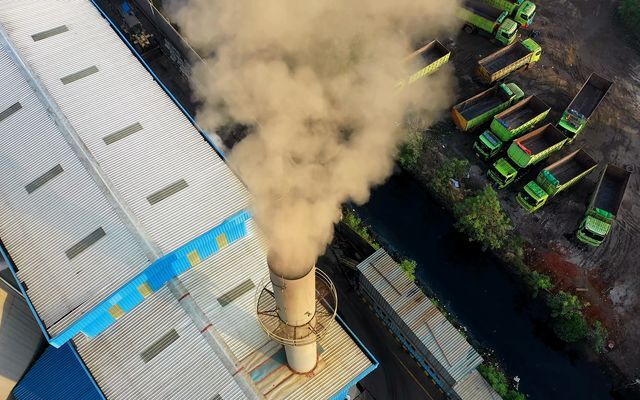 Facility monitoring
Environmental Monitoring
Monitor visible emissions, dust and waste-sorting conditions through camera feeds.
Manufacturing · Energy & facilitiesFAQ
Questions, answered
Restricted-Zone Detection is a workplace safety solution on Thread In Motion’s TIM INSPECT platform that detects people entering hazardous zones drawn on fixed camera views. The worker’s AXION vibrates and names the zone, the shift supervisor is notified if they stay, and each breach is recorded.
With TIM INSPECT, Restricted-Zone Detection works in four steps: 1) Define the zone by drawing it: Hazardous zones are drawn on the camera image. Permitted entry for authorised maintenance staff is defined separately. 2) Detect the breach: When a person enters the zone, TIM INSPECT detects the breach. Time in the zone and guards left open while a machine runs are monitored too. 3) Alert the person and supervisor: The worker’s AXION vibrates and names the zone; the alert closes when they leave. If they stay, the shift supervisor is notified. 4) Record it with a short clip: Every breach is recorded with its short clip. The records build up into statistics by zone.
Components used: fixed cameras, TIM INSPECT software, AXION and PLC connection (optional). The zone definition, the camera’s detection and the alert to the worker come together in one workflow. Where required, a signal to the PLC can slow or stop the machine; this link is planned together with the plant’s safety circuit.
No. A camera on its own is not a safety barrier; it works as an alerting and recording layer alongside physical guarding and the safety circuit. If machine stopping is to be connected, that link is handled together with the safety circuit.
The system does not stop machines by itself; it alerts and records. Where required, a signal can be sent to the PLC to slow or stop the machine. That link is designed together with the plant’s safety circuit.
A permitted-entry definition is needed for authorised maintenance staff. Who may enter which zone, and under which conditions, is agreed with the site at the start of the setup, so planned maintenance entries are kept apart from breach alerts.
Areas such as the space under a crane load are not fixed. Here the zone is updated according to crane and load movement, so the hazardous zone moves along with the load. Coverage is planned around the camera views available on site.
The system monitors zones and behaviour, not who a person is. Images are filtered and only the event moment is stored. Privacy is designed in from the start in line with KVKK and GDPR requirements.
YOUR SITE
Let’s define your hazardous zones together.
Let’s review your robot cells, press and crane areas and camera views together, then set the pilot scope and the results to measure from the start.