


WORKPLACE SAFETY · MANUFACTURING & LOGISTICS
Detect risky forklift–pedestrian encounters.
Analyze distance and movement direction through camera feeds. When a defined risk threshold is reached, alert the pedestrian and operator through AXION and record the near-miss event.
Trusted by the world’s leading companies.


THE NEED ON THE FLOOR
Monitor risk in shared travel areas.
At rack corners, doorways and crossings, risk depends on more than one person’s location. TIM INSPECT evaluates forklift–pedestrian distance and movement direction together, then alerts the people involved when defined risk conditions are reached.
- 01
Evaluate encounters in context
Assess proximity, movement direction and designated travel zones together. Set alert thresholds to reflect the site workflow.
- 02
Reach the people involved
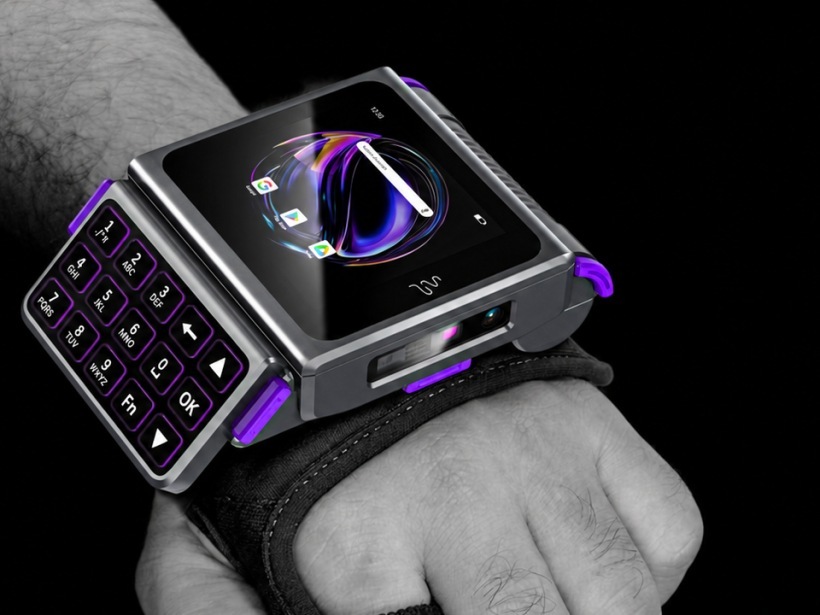
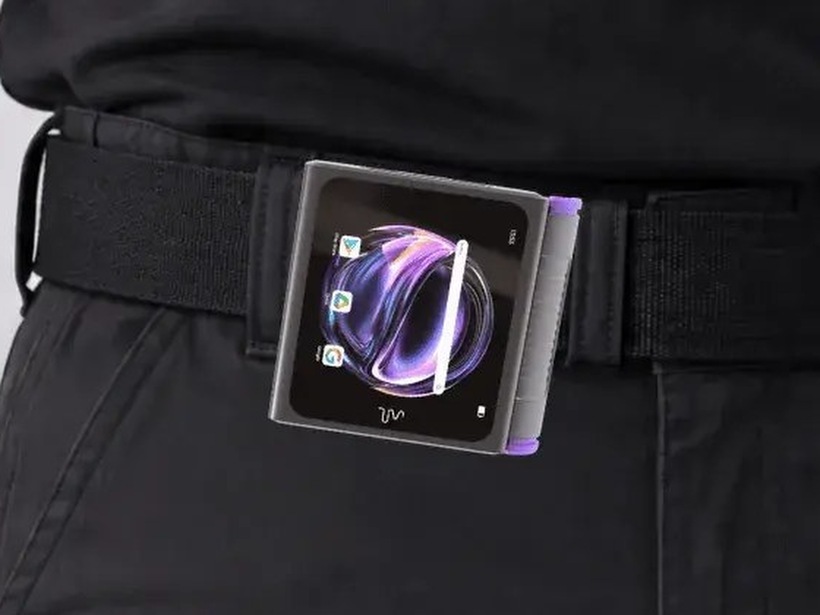
The pedestrian and operator in a risky encounter receive vibration, sound and on-screen alerts through AXION.
- 03
Identify recurring risk locations
Review near-miss records and a weekly heat map to inform site layout and working practices.
INTERACTIVE ANALYSIS
See the same moment with TIM INSPECT.
Drag the timeline, switch layers on and off, change the alert threshold. See for yourself when the alert fires during the same close pass.
No records yet. Play the video; a record opens here when the threshold is reached.
Alert sent
Relative proximity
Thresholds and monitored zones are configured for the site workflow.
EXPLORE THE SITUATION
Where does the risk occur?
Choose a site example to see what the image analysis evaluates and how the alert is delivered.
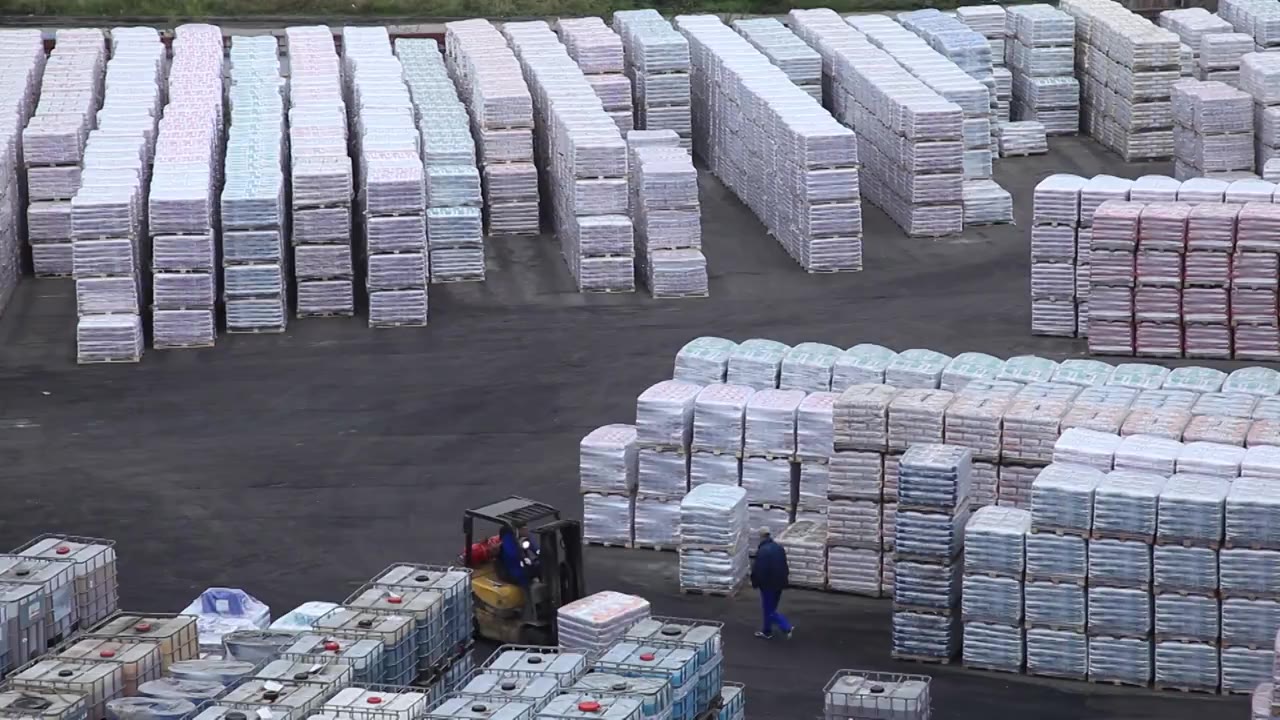
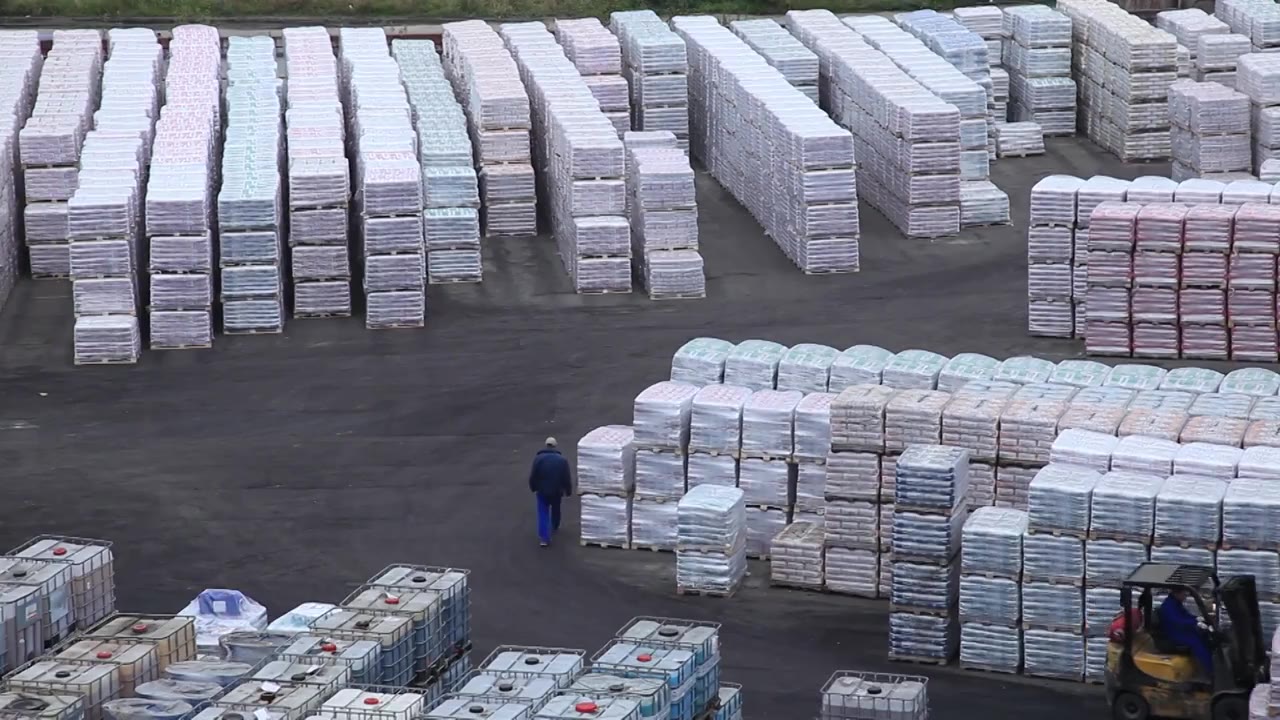
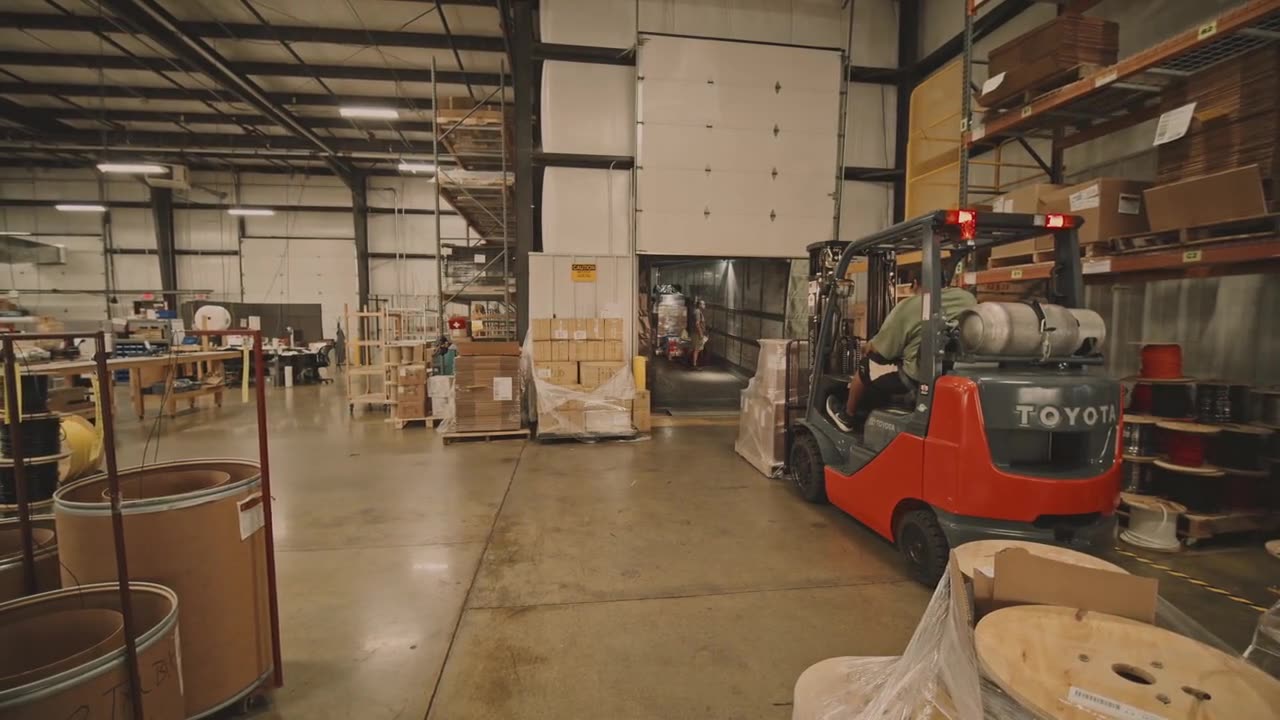
A forklift and pedestrian approach a rack corner where they may have limited visibility of each other.
The location, direction and potential intersection of both movements within camera coverage are evaluated together.
When the defined risk threshold is reached, both AXION devices are alerted and a short event video is recorded.
HOW IT WORKS
Analyze movement. Alert the people involved.
Evaluation
- DistanceDecreasing
- PathsCrossing
- ThresholdSite-specific
Near-miss record
- LocationYard · Aisle B
- AlertedPedestrian · Operator
- RecordShort video
Observe the area
Cameras detect forklift and pedestrian locations within the monitored area.
SYSTEM AND RECORD
Review why an alert was triggered.
The encounter, notification and location come together in one review workflow.
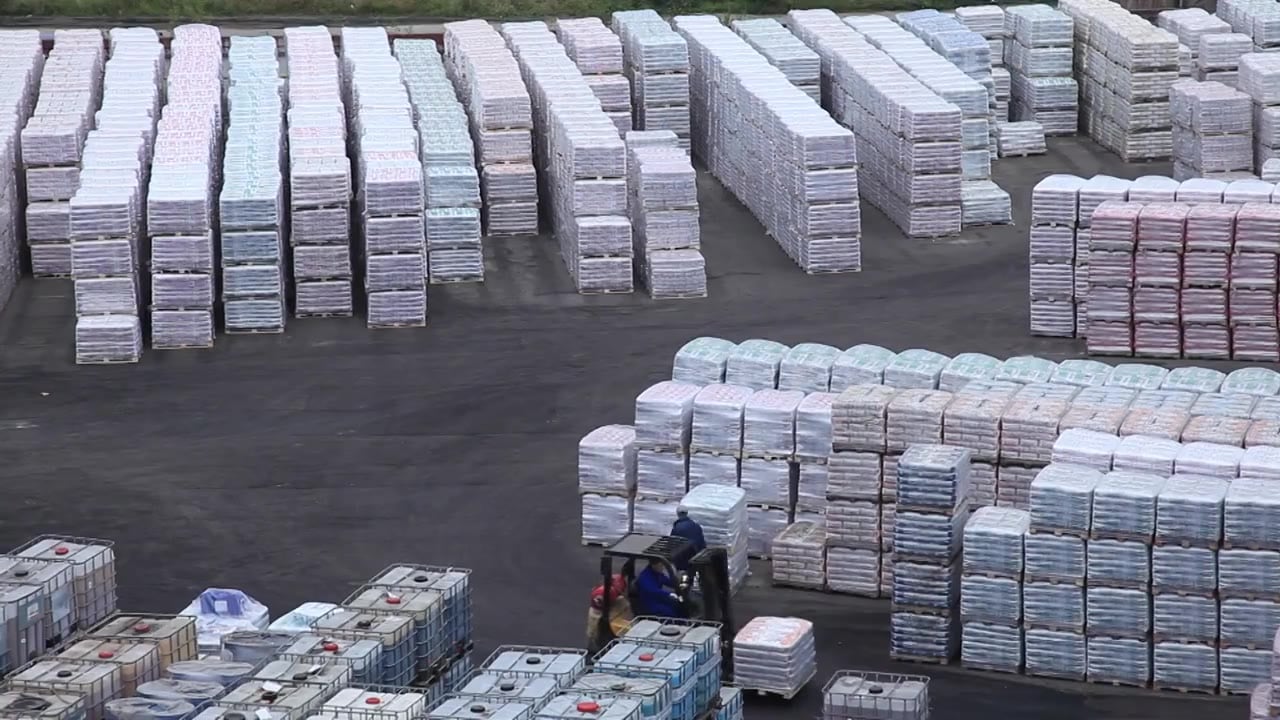
Encounter imagery
Forklift and pedestrian position, direction and movement within the defined area.
- SourceFixed cameras
- ScopePosition · direction · zone
- Components
- Fixed cameras
- TIM INSPECT software
- AXION for pedestrians and operators
- Event management dashboard
Rules defined for your site
Specify monitored zones, travel routes and risk thresholds.
Alerts directed to the people involved
Notify the pedestrian and operator in the risky encounter.
A reviewable event record
Use short videos and the heat map to assess recurring risk locations.
Use the short event video to review where and how an alert occurred. See recurring encounters on a heat map and ground route, crossing and layout decisions in recorded evidence.
SOLUTION FILM
Cameras detect. TIM INSPECT evaluates. AXION alerts the person.
Forklifts and people share your warehouse. Same aisle, same corner. And at that corner, neither sees the other. Maybe you have sirens and warning lights. But in all that noise, who really notices? And what about a near miss? Nobody notices, nothing gets recorded. You only learn that corner is risky AFTER an accident. Now see that same moment with TIM INSPECT. Cameras watch the area nonstop, recognizing both the forklift and the pedestrian. It keeps recalculating their distance and direction, moment by moment. It sees the danger BEFORE a collision happens. And it alerts ONLY those two people. AXION is a small device, worn on the hand or belt. It vibrates, beeps, and shows the danger's direction on screen. Both stop. It doesn't end there. The event is saved with a short video; the weekly heat map reveals your risky spots. The result? Alerts go only to the people involved; nobody else is disturbed. EVERY near miss becomes visible. And you act before the accident. Because a siren sounds for everyone. Vibration reaches only the one in danger. From automotive to logistics, from retail to manufacturing. The choice of world leaders. Thread in Motion.
TIM INSPECT · EXPLORE SOLUTIONS
One platform. 35 applications.
Discover the next opportunity on your floor. Choose a solution area or industry and explore each application visually.
 Workplace safety
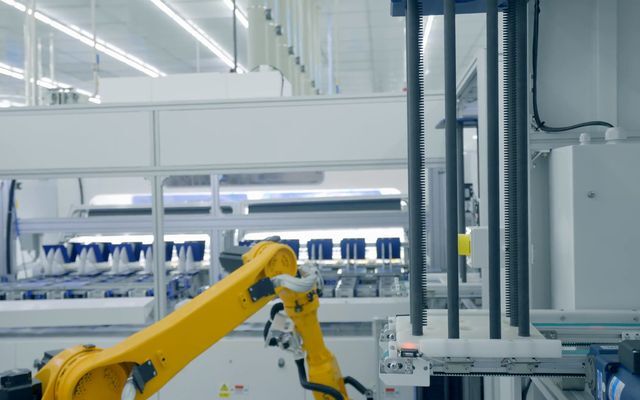
Restricted-Zone Detection
Detect entry into hazardous areas and alert the worker and responsible team.
Manufacturing · Construction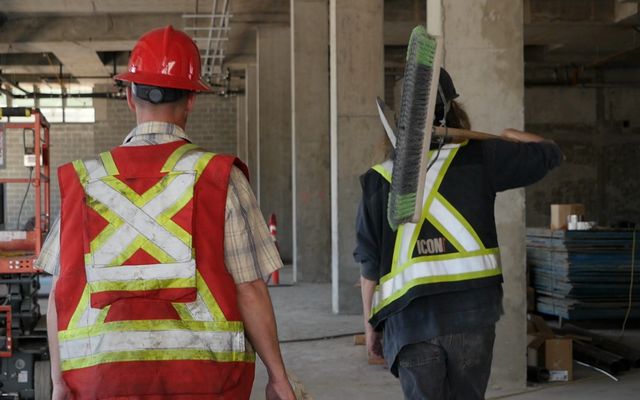 Workplace safety
PPE Detection
Check the use of helmets, vests and other protective equipment in working areas.
Manufacturing · Construction · Logistics & warehousing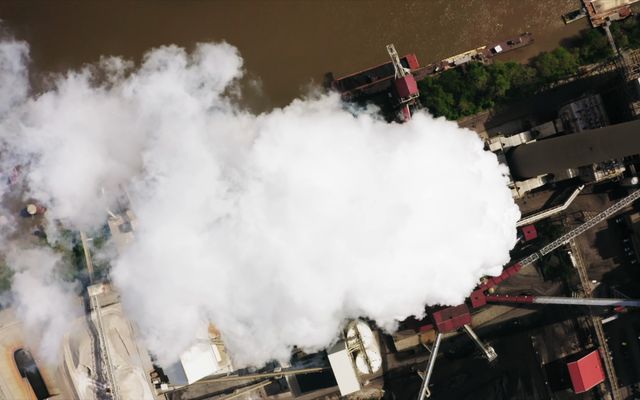 Workplace safety
Fire & Smoke Early Warning
Evaluate visible flame and smoke signs in camera feeds and notify the relevant team.
Manufacturing · Logistics & warehousing · Energy & facilities Workplace safety
Spill & Leak Detection
Detect unexpected liquid accumulation and leaks, and notify teams with location information.
Manufacturing · Food & beverage · Energy & facilities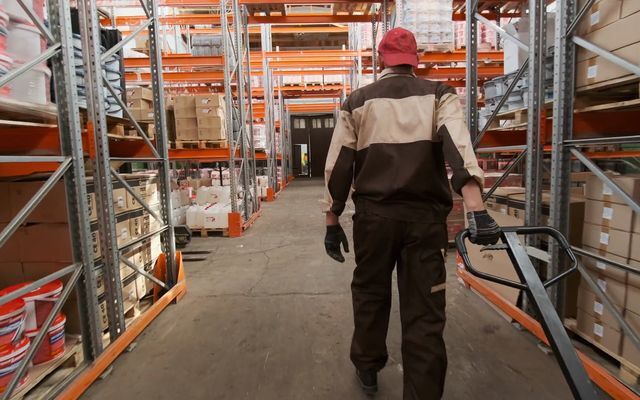 Workplace safety
Fallen or Motionless Person Detection
Detect falls or prolonged inactivity to support the assistance workflow.
Manufacturing · Logistics & warehousing · Energy & facilities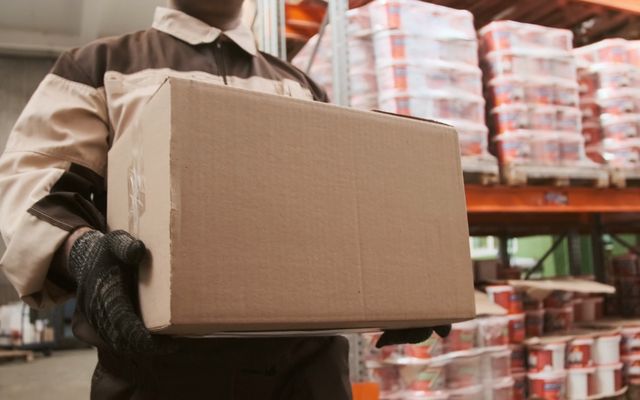 Workplace safety
Ergonomics & Posture Analysis
Analyze lifting, bending and reaching movements to make risky postures visible.
Manufacturing · Logistics & warehousing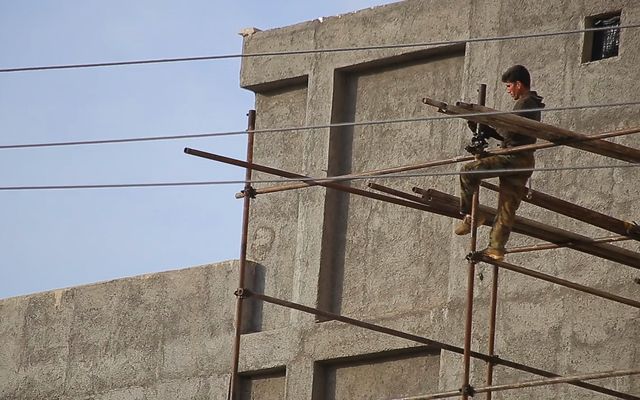 Workplace safety
Working-at-Height Safety
Use visual checks to assess harness attachment, scaffolding and ladder use.
Construction · Energy & facilities · Manufacturing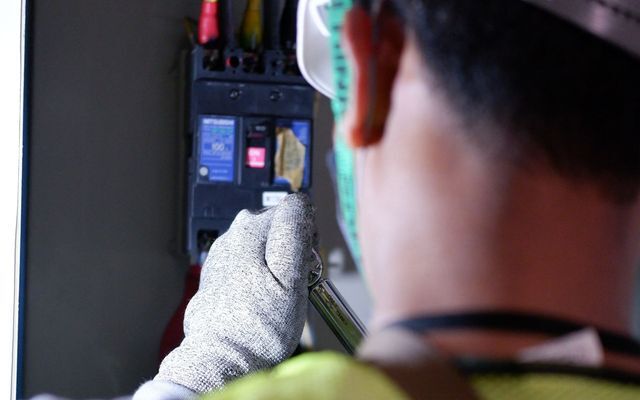 Workplace safety
Lockout/Tagout Verification
Verify isolation steps with photographs to manage checks before maintenance.
Manufacturing · Energy & facilities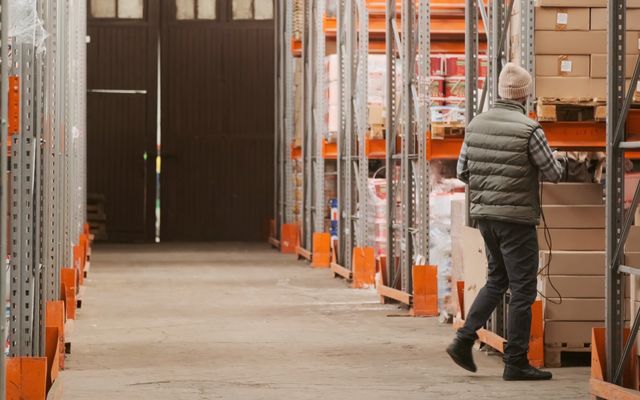 Workplace safety
Emergency Exit & Route Monitoring
Detect obstructions blocking emergency exits and access routes through camera feeds.
Manufacturing · Logistics & warehousing · Retail & e-commerce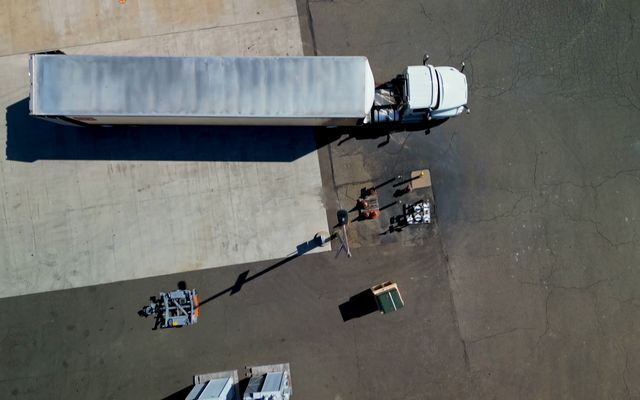 Workplace safety
Loading Dock Safety
Check truck position, wheel chocks and dock conditions to flag risky loading situations.
Logistics & warehousing · Manufacturing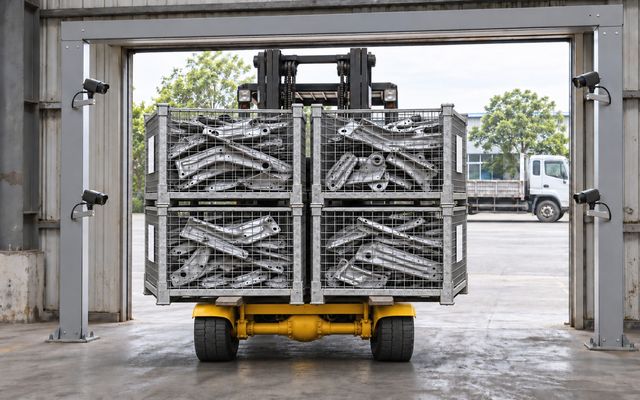 Verification & quality
Shipment & Crate Verification
Count passing crates, read their labels and match the load against the shipment list.
Automotive · Logistics & warehousing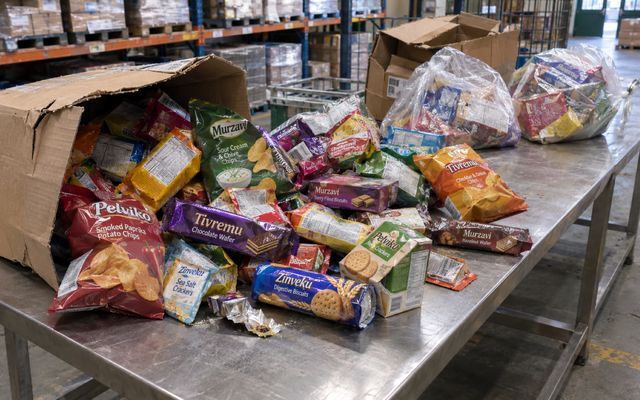 Verification & quality
Returned Product Inspection
Identify returned products and record visual checks of damage, dates and product information.
Food & beverage · Retail & e-commerce · Logistics & warehousing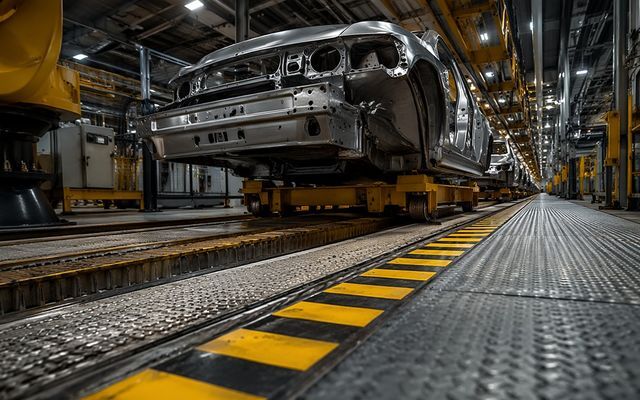 Verification & quality
Voice-Guided Final Inspection
Complete hands-free inspection steps and document findings with voice and photographs.
Automotive · Manufacturing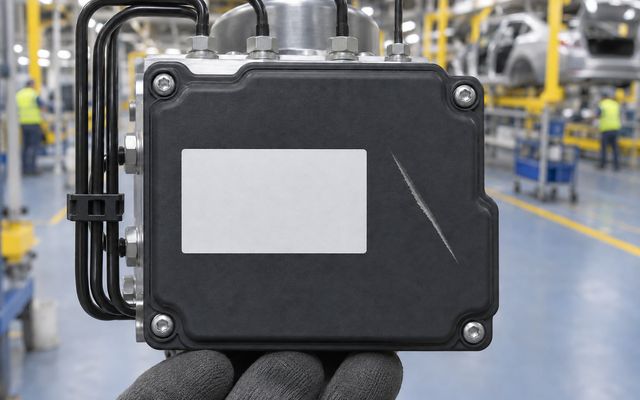 Verification & quality
Assembly Part Verification
Check parts, labels and surfaces during assembly and send the result to production systems.
Automotive · Manufacturing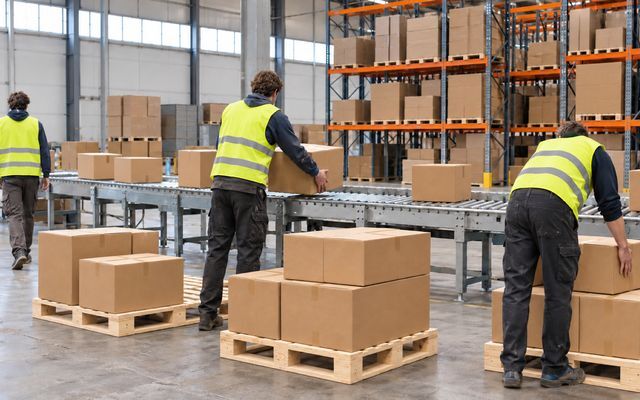 Verification & quality
Cargo Sortation & Pallet Verification
Verify outgoing cargo by checking shipping labels and pallet contents together.
Logistics & warehousing · Aviation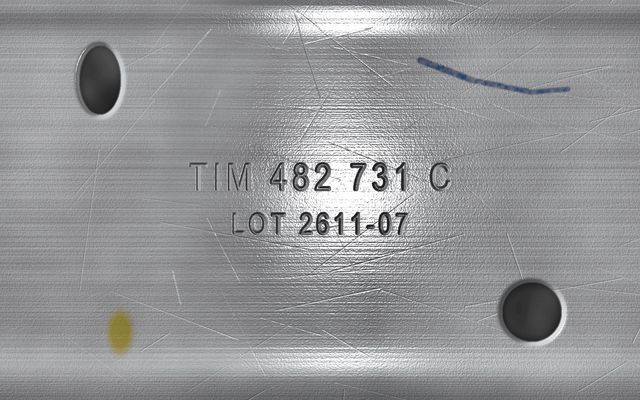 Verification & quality
Metal Part & Label Verification
Match stamped metal-part numbers with crate labels to verify product identity.
Automotive · Manufacturing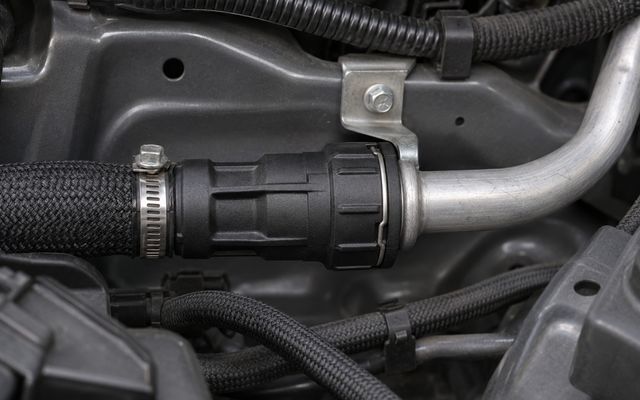 Verification & quality
Quick-Connect Verification
Visually check that assembly quick-connects are fully seated and record the result.
Automotive · Manufacturing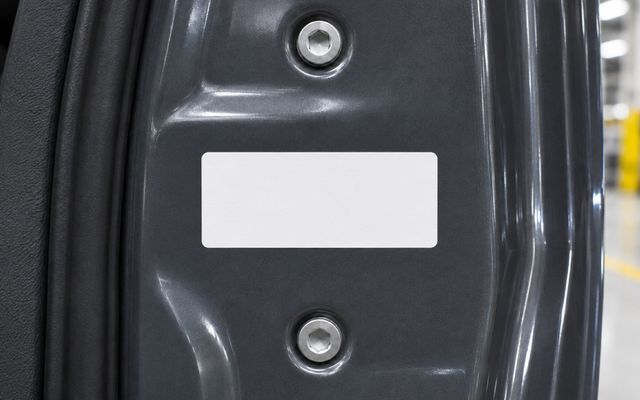 Verification & quality
Vehicle Label Verification
Read vehicle-specific labels with OCR and compare them with expected production data.
Automotive · Manufacturing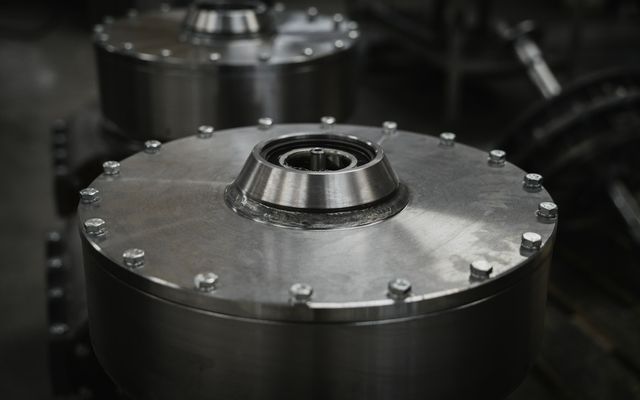 Verification & quality
Component Assembly Inspection
Visually verify the assembly of components such as retaining rings, washers and plugs.
Automotive · Manufacturing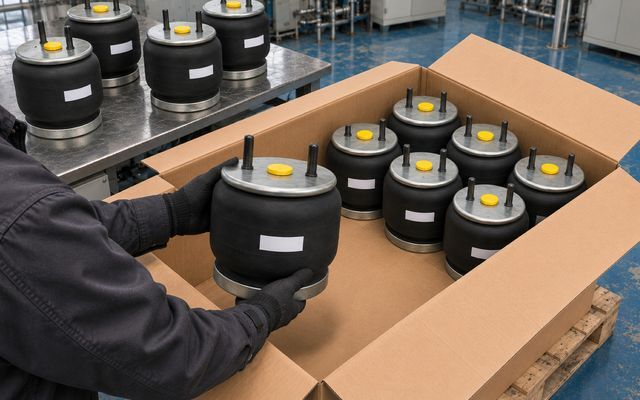 Verification & quality
Product & Carton Verification
Combine product, plug, label and carton-content checks before shipment.
Automotive · Manufacturing · Logistics & warehousing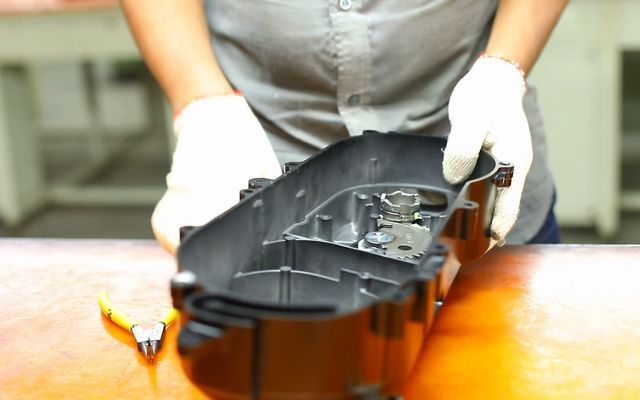 Operational efficiency
Assembly Sequence Verification
Monitor the defined assembly sequence and flag missed or out-of-order steps.
Automotive · Manufacturing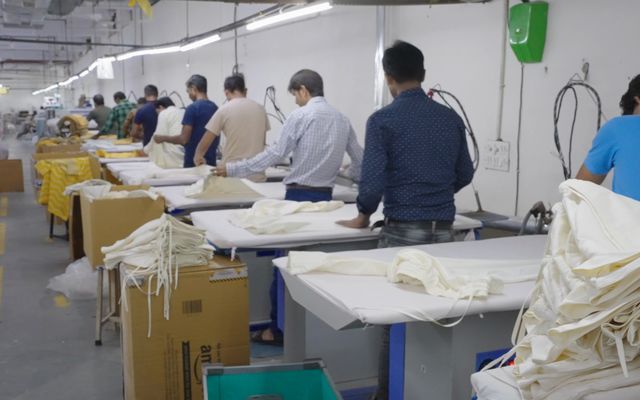 Operational efficiency
Cycle Time & Microstops
Measure station cycles and brief stops from video to reveal deviations in workflow.
Automotive · Manufacturing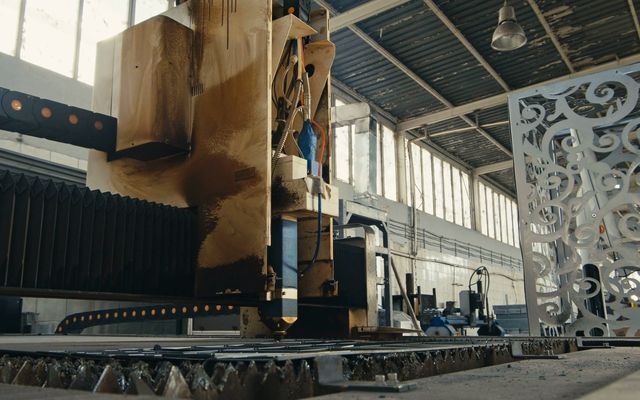 Operational efficiency
Machine Utilization
Assess running and waiting periods visually and notify the relevant team of stops.
Manufacturing · Automotive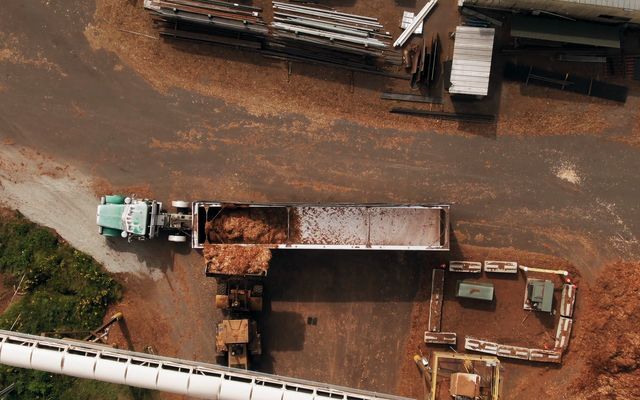 Operational efficiency
Dock & Door Monitoring
Track vehicle arrivals, door use and loading progress in one workflow.
Logistics & warehousing · Manufacturing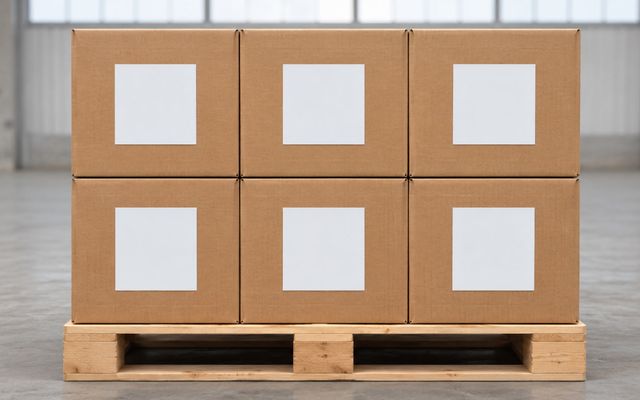 Operational efficiency
Four-Side Pallet Scanning
Read labels across pallet faces during a pass and match them against the order list.
Logistics & warehousing · Retail & e-commerce · Food & beverage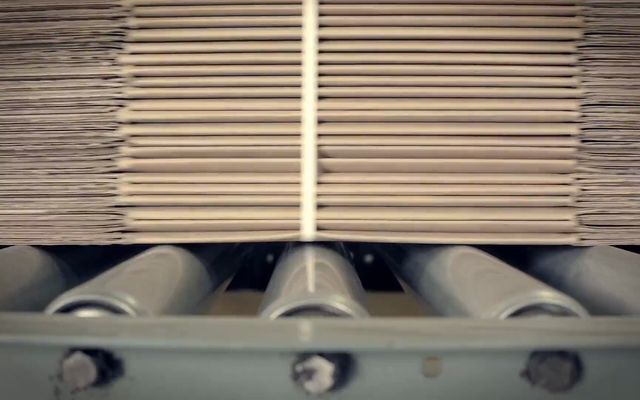 Operational efficiency
Dimensioning
Check carton and pallet dimensions with vision and laser measurement and create a record.
Logistics & warehousing · Retail & e-commerce Operational efficiency
Damage Detection
Document carton, pallet and container damage with photographs at entry and exit points.
Logistics & warehousing · Retail & e-commerce · Manufacturing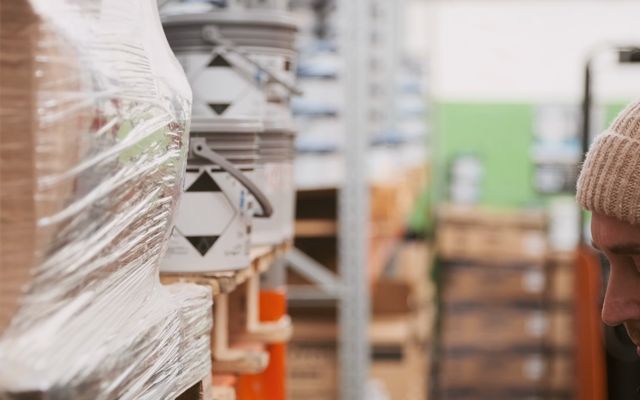 Operational efficiency
Inventory Counting
Read shelf and pallet labels to reveal empty locations and placement mismatches.
Logistics & warehousing · Retail & e-commerce · Manufacturing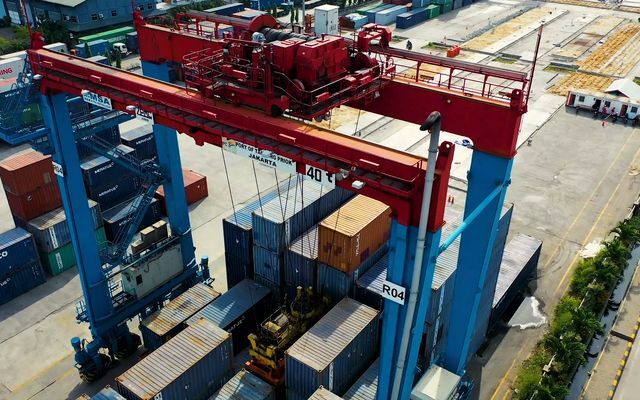 Operational efficiency
License Plate & Container OCR
Read vehicle and container numbers and match them with appointment and shipment records.
Logistics & warehousing · Manufacturing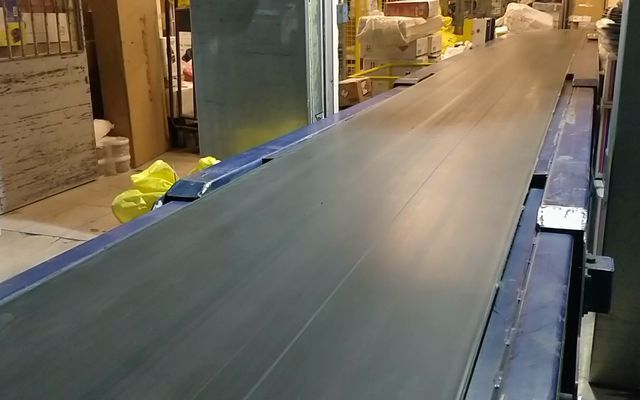 Operational efficiency
Conveyor Jam Detection
Detect conveyor build-ups and jams and notify the person who can respond.
Logistics & warehousing · Manufacturing · Food & beverage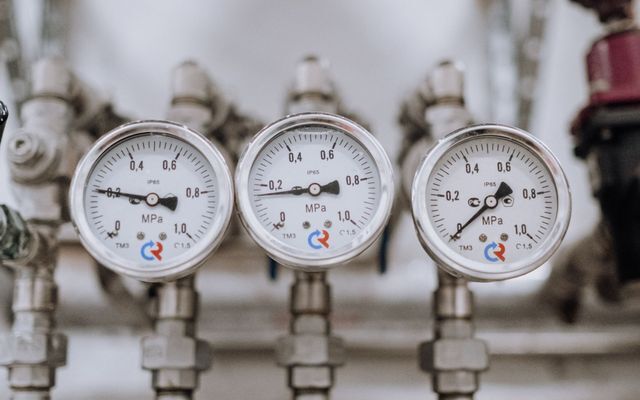 Facility monitoring
Gauge & Meter Reading
Read analog gauges from images, record values and notify teams of threshold exceptions.
Manufacturing · Energy & facilities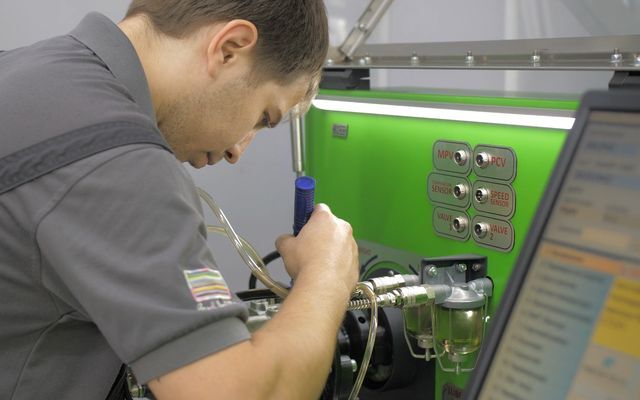 Facility monitoring
Maintenance Rounds
Follow inspection points step by step and document findings with photographs and voice.
Manufacturing · Energy & facilities Facility monitoring
Unauthorized Entry
Monitor designated-area entry and tailgating and notify the security team.
Manufacturing · Logistics & warehousing · Retail & e-commerce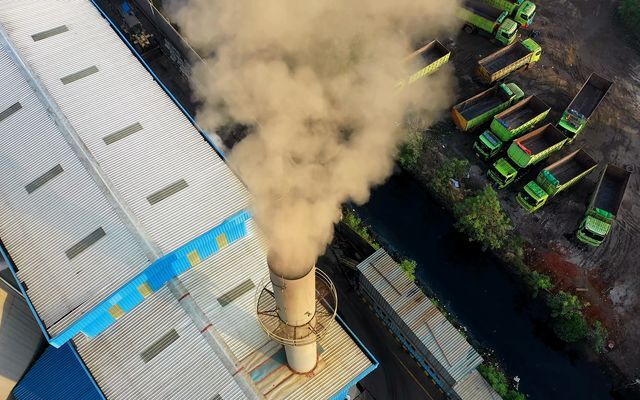 Facility monitoring
Environmental Monitoring
Monitor visible emissions, dust and waste-sorting conditions through camera feeds.
Manufacturing · Energy & facilitiesFAQ
Questions, answered
Forklift–Pedestrian Safety is a workplace safety solution on Thread In Motion’s TIM INSPECT platform that analyzes forklift–pedestrian distance and movement direction from fixed camera feeds. When a defined risk threshold is reached, the pedestrian and operator are alerted through AXION, and the near-miss is recorded.
With TIM INSPECT, Forklift–Pedestrian Safety works in four steps: 1) Observe the area: Cameras detect forklift and pedestrian locations within the monitored area. 2) Evaluate the encounter: Distance, direction and potential path crossings are assessed against site-specific risk thresholds. 3) Send personal alerts: When a threshold is reached, notifications are sent to the AXION devices of the pedestrian and forklift operator involved. 4) Make the event reviewable: A short video and near-miss record support the review of risk locations in the management dashboard.
Components used: fixed cameras, TIM INSPECT software, AXION for pedestrians and operators and event management dashboard. The encounter, notification and location come together in one review workflow.
During a defined risky encounter, an alert is sent to the AXION devices of the pedestrian and forklift operator involved. It is delivered through vibration, sound and an on-screen notification.
Camera angles, coverage, image quality and connection conditions are reviewed during the site assessment. The appropriate layout and required camera setup are then defined.
Alert thresholds and monitored zones are configured for the site workflow. The pilot evaluates relevant event detection alongside reducing unnecessary alerts.
The scenario includes near-miss records, short event videos and a heat map of risk locations. Image filtering, access and retention rules are defined within the project scope.
YOUR SITE
Define alerts for your forklift and pedestrian routes.
Let’s assess crossings, camera coverage and notification needs, then define the pilot scope, risk thresholds and measures together.